
Facepalm: Users have long criticized Windows 11 File Explorer as inferior to its Windows 10 predecessor. The essential tool suffers from slow launches, sluggish file searches, and delayed right-click menus. Microsoft recently rolled out a fix to improve responsiveness, but early reports suggest it introduces new problems without addressing the original issues.
Microsoft's solution for the sluggish Windows 11 File Explorer is more of a workaround than a proper fix. To boost response times, the OS now preloads the app into system memory at every startup. The update rolled out last week as part of Windows 11 Preview Build 26220.7271 (KB5070307).
However, the update has reportedly failed to resolve the underlying issue, with File Explorer still considerably slower than its Windows 10 counterpart. Tests by Windows Latest show that preloading the app doubles RAM usage without noticeably improving performance.
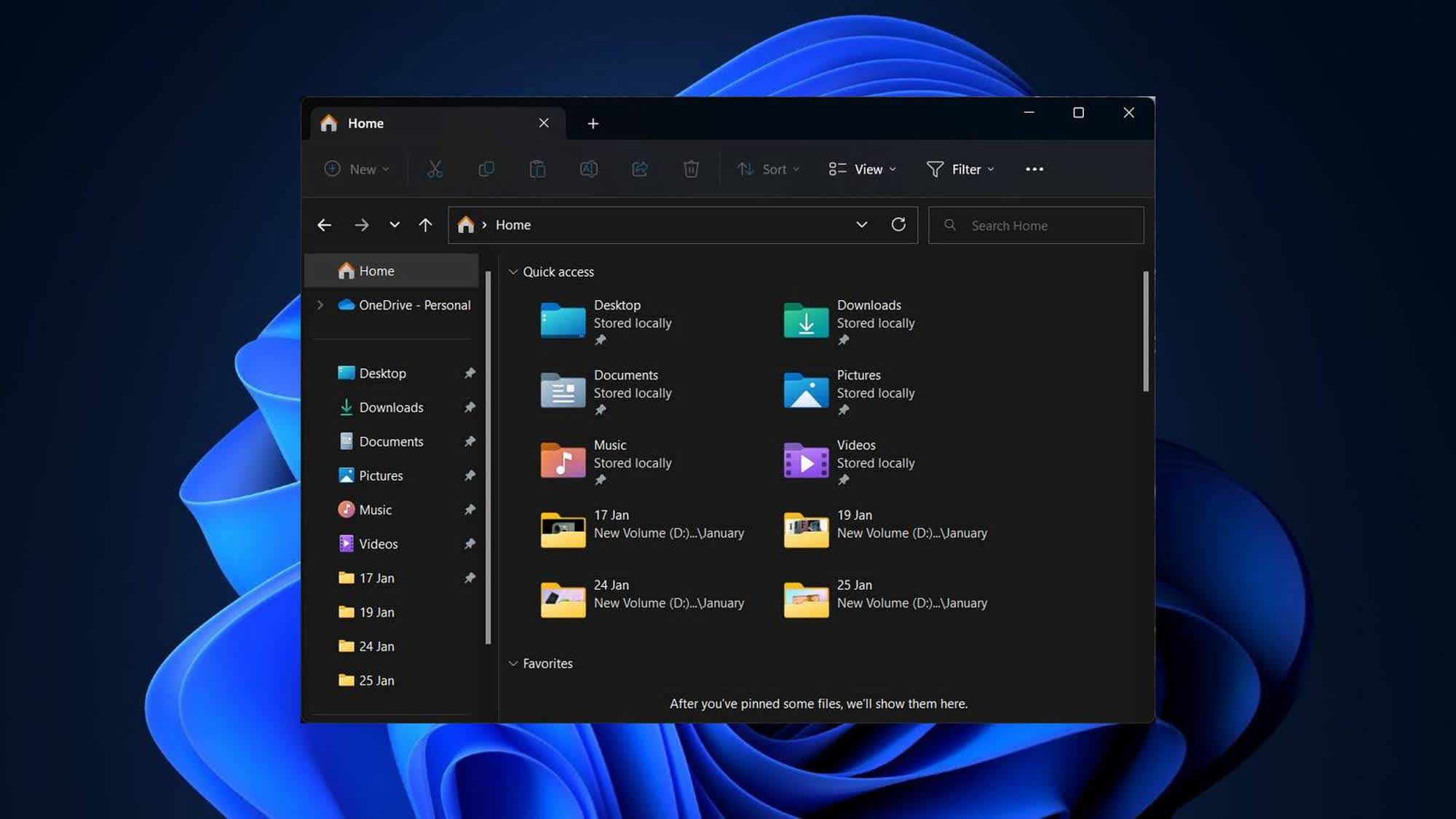
The report notes that the supposed fix raises File Explorer's memory usage from 35MB to 67MB, yet the performance gain is barely noticeable in real-world use. Folder navigation and right-click context menus remain just as sluggish as before, and the increased RAM consumption could impact overall system performance, particularly on lower-end devices.
The updated File Explorer's modern WinUI/XAML elements appear to be the primary cause of its sluggishness. While these changes enabled features like tabs, they also significantly hampered performance, leaving the app substantially slower than its Windows 10 predecessor.
Microsoft is understandably facing flak for the extra RAM usage following the update. It should not pose a significant issue on most modern machines with at least 16GB of memory, but budget laptops with lower system memory will be affected the most. The added overhead could reduce resources for other applications, slowing the device and hampering productivity.
Either way, the revelation will undoubtedly upset many Windows users, who have been pleading with Microsoft to fix the outstanding Windows 11 bugs instead of adding unwanted features. Just last month, the company reaffirmed its plan to make Windows an agentic OS, sparking a firestorm of debate over the future of the world's most popular desktop operating system.