What just happened? Bad news for anyone who likes to cast Netflix shows and movies from their phones to TVs: the streaming giant has removed this ability from subscribers. The only way you'll be able to continue casting Netflix content is if you're using certain older devices.
Netflix has quietly posted a page on its Help Cente section explaining why people can no longer find the Cast button in the Netflix app.
The page explains that the casting feature is no longer supported in most TVs and TV-streaming devices, and that you'll need to use the remote that came with your smart TV to navigate the service.
Casting does still work on older Chromecast devices or TVs that support Google Cast natively. However, this is only for users who are on Netflix's more expensive plans, which start at $17.99 per month.
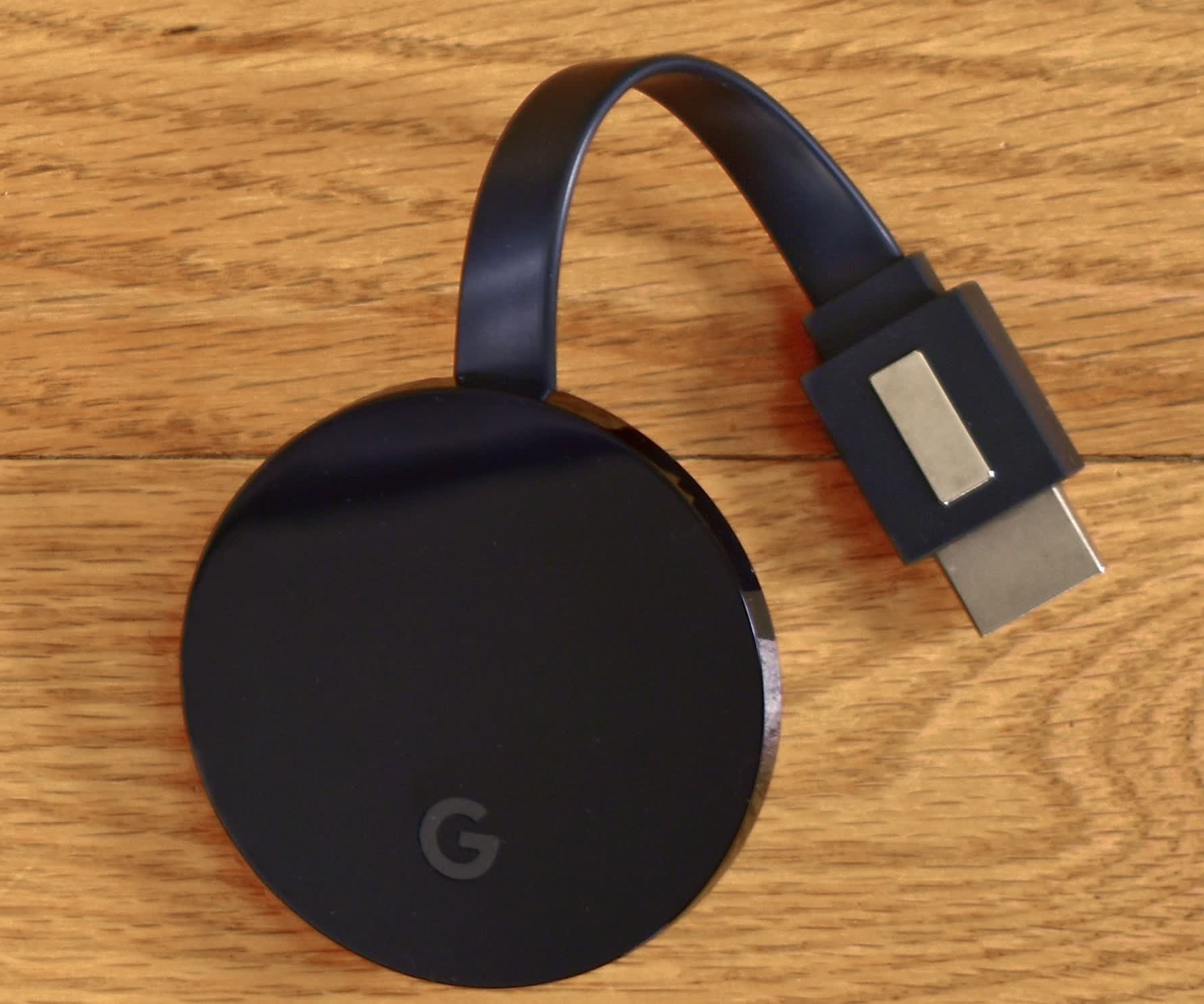
Customers who are on the $7.99-per-month ad-supported tier cannot cast from their phones no matter what device they use. Casting was still supported on this plan earlier this year, although it only worked on newer Chromecast with Google TV models. Now, however, it's been removed entirely.
It's little surprise that Netflix wanted to keep all this quiet – there's no explanation on the Help Center page about why it decided to drop support.
Android Authority, which first spotted the change, spoke to a Netflix customer care representative about the situation. The rep reaffirmed that if a device has its own remote, a user can't cast. They gave the most generic answer when asked why this decision had been taken: to improve the customer experience, though it's not immediately clear how this improves things – plenty of people say it's made the experience worse.
This isn't new territory for Netflix. In April 2019, the company said it had removed AirPlay support from its iOS app due to what it called a "technical limitation." Netflix explained that with the rollout of AirPlay-compatible TVs from multiple manufacturers (not just Apple), the company could no longer reliably distinguish which device the stream was going to – i.e., whether it was an authorized Apple device or a third-party TV/receiver. Because of that uncertainty, Netflix felt it could not "certify" that playback quality and DRM protections would meet their standards.
Image credit: BoliviaInteligente