The takeaway: Lithium is a crucial element for batteries and other high-tech components, with demand expected to grow significantly in the coming years. A deposit discovered in the US a few years ago could potentially satisfy global lithium needs (and then some) although extracting the metal may be easier said than done.
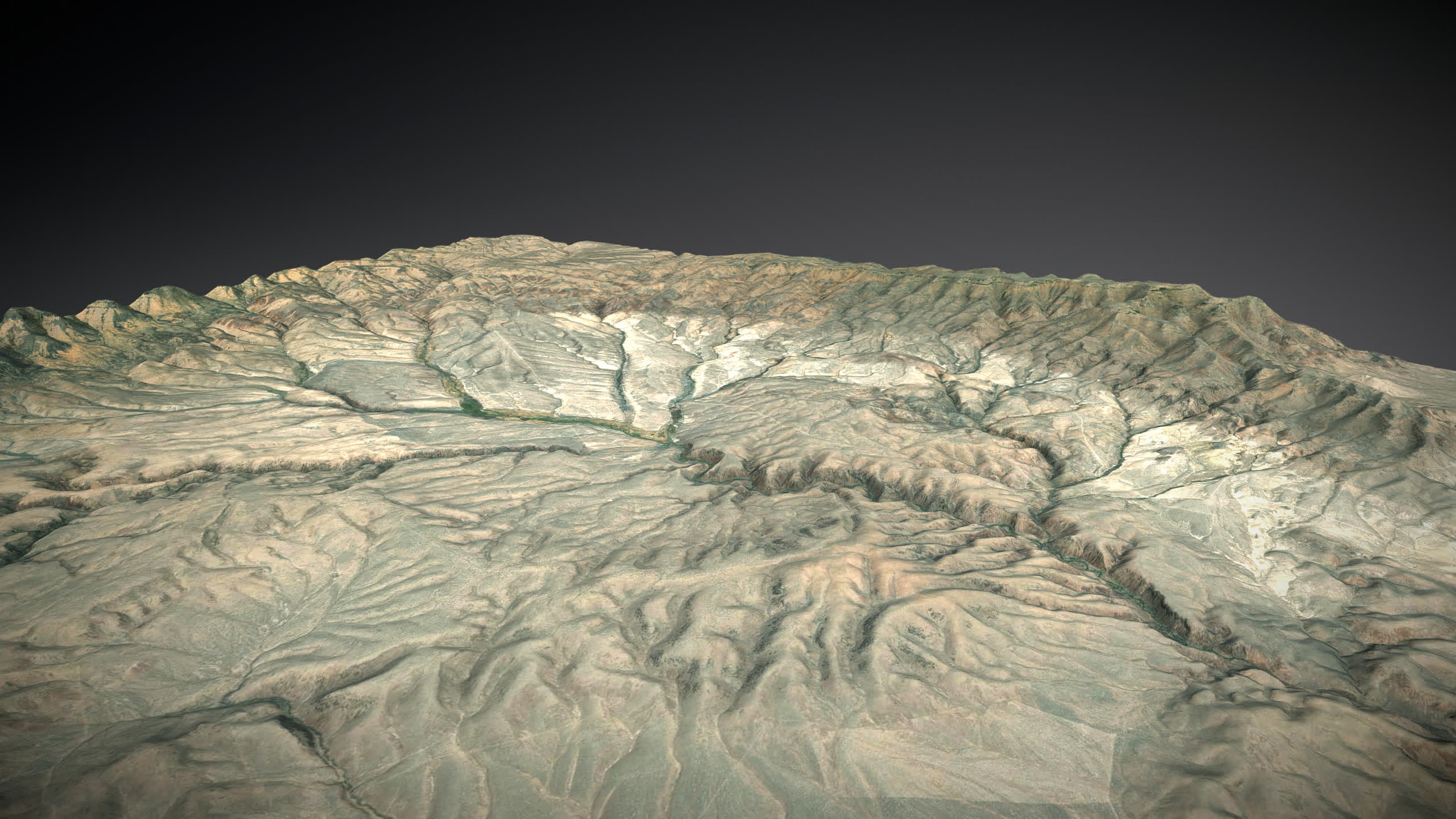
The McDermitt Caldera most likely hosts the world's largest deposit of lithium trapped in claystone. Located on the Nevada – Oregon border, the extinct supervolcano could contain 20 to 40 million metric tons of lithium. Based on the current average US price of roughly $37,000 per ton, the caldera may have an estimated face value of around $1.5 trillion.
According to researchers, the lithium-rich claystone sits just beneath the caldera's surface. The crater formed around 16 million years ago, when a magma chamber collapsed following a massive volcanic eruption. Sheets of ash cooled into volcanic rock on the caldera floor, which later served as the basin of a lake.
The unusual geological history of the McDermitt Caldera produced huge claystone formations that are now believed to contain much of the region's lithium. Within the caldera, the Thacker Pass deposit is allegedly capable of supplying up to 25 percent of the world's demand for the alkali metal.
Extracting lithium from McDermitt/Thacker Pass will be a complex, energy-intensive process. Claystone requires grinding, leaching, and chemical treatment, all of which can significantly increase water usage and waste. The US government has pursued large-scale mining efforts in the region for years, with the first "significant" exploration dating back to 2007.
Supporters of the mining project note that the lithium layer lies close to the surface, which could make a single large mine the most practical option. Numerous smaller operations scattered across the region might prove even more disruptive.
Meanwhile, local tribes and ranching communities near the caldera have opposed the project because it could have a significant impact on springs, grazing areas, and sacred sites. Even a single large excavation would require enormous resources and generate substantial waste and dust, all of which could affect the surrounding communities.
For now, authorities have yet to reach a final decision on the world-class lithium deposit in the McDermitt Caldera. The US is increasingly looking to secure domestic supplies of lithium and other rare-earth elements, and future technological advancements may eventually unlock improved extraction methods that make previously inaccessible reserves viable.