Facepalm: The Windows Insider initiative promised to solve the most outstanding reliability issues with Windows thanks to millions of unpaid beta testers joining the program. A few years down the line, enterprise customers are now at risk of experiencing a barely working GUI or shell because the latest Windows updates are simply doing something wrong.
Microsoft recently published a baffling support document stating that Windows updates released after July 2025 may break some crucial parts of the operating system's shell. According to the KB5072911 document, File Explorer, the Start menu, and other XAML-dependent apps in Windows may show erratic behavior on some enterprise devices.
The issue affects Windows 11 24H2 and 25H2 releases after installing monthly cumulative updates such as KB5062553 or KB5065789. Consumer devices should be safe for now, as the issue has been identified in a "limited" number of enterprise or managed environments. The bug may occur when Windows updates are installed before the user logs into the OS, forcing some XAML components to behave in unexpected ways.
The Extensible Application Markup Language (XAML) is an XML-based language designed to define UI elements, and it is now an integral part of many application development frameworks such as WPF, WinUI, UWP, and .NET. XAML templates can be created with Visual Studio or other IDEs and are widely used by many components integrated into Windows 11.
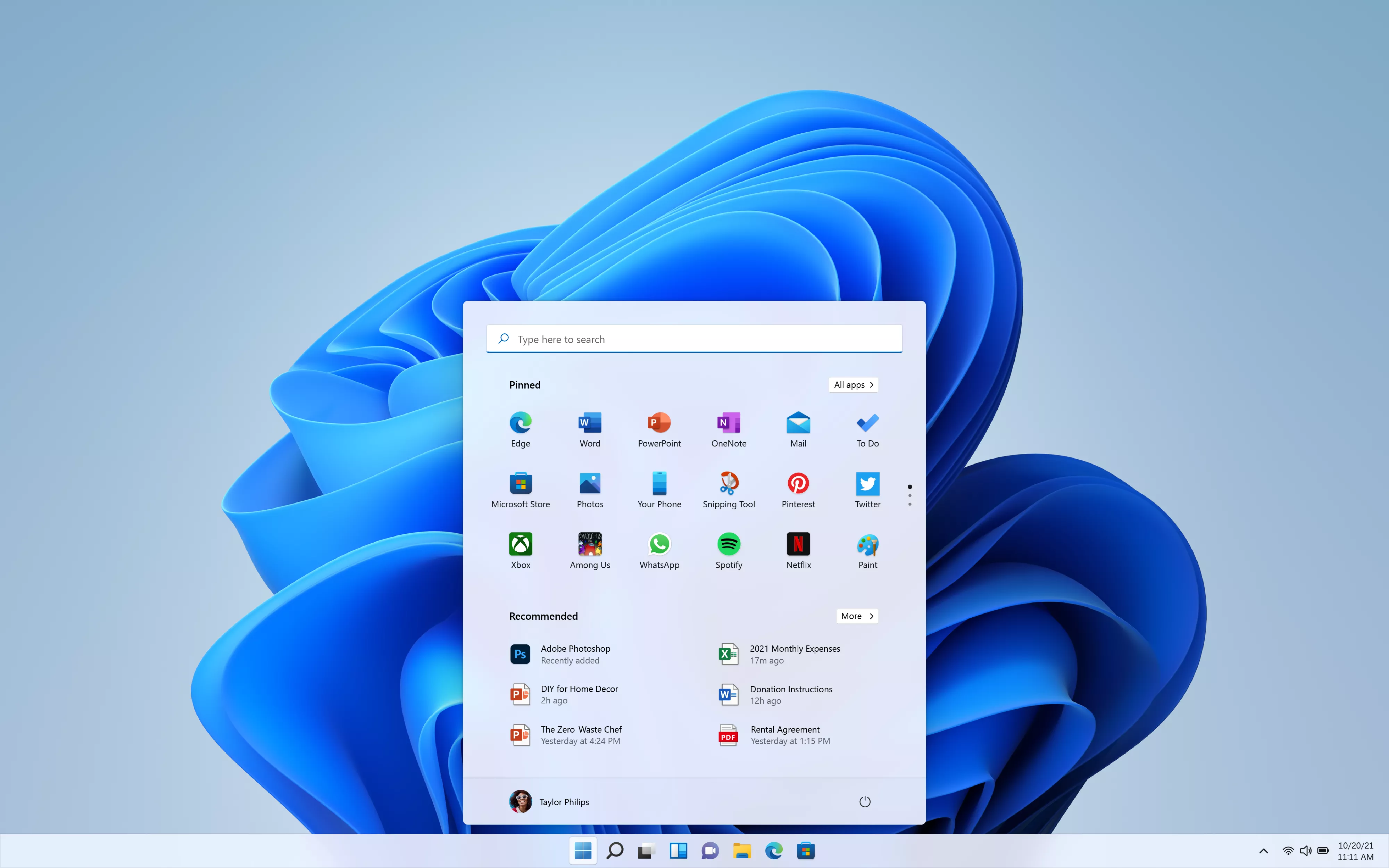
The KB5072911 issue related to XAML components can force users in an organization to experience some truly appalling UI behaviors. Shell components such as Explorer.exe may crash or show a black screen, the Start menu may fail to open, and the taskbar may fail to display. Additional issues include the shellhost.exe component crashing, other XAML apps being unable to start, and more.
The new Windows ordeal is caused by applications having a dependency on XAML packages that do not register in time after newer Windows updates have been installed, Microsoft explains. While developers are working on a proper solution, the KB5072911 support document provides some workarounds to get the OS back into a usable state. IT administrators can run a few PowerShell commands or scripts to manually register the missing XAML packages.
Microsoft recently explained that Windows is going to become an agentic OS, with multiple independent AI agents doing their own thing on separate workspaces. Considering the messy conditions the operating system and its shell are in right now, turning AI slop into a "first-class user" may actually push even the most enthusiastic AI fans to admit that Microsoft has gone too far this time.
Many are thinking the obvious, Redmond doesn't treat Windows as a real business priority anymore, and that has become a problem for the entire technology world (except perhaps for proponents of Linux).
Even a dangerous security vulnerability related to LNK files such as CVE-2025-9491, which has been part of major cybercriminal activities and threat actors' modus operandi for years, was recently "solved" without any proper public documentation of the process.