
Why it matters: JavaScript was officially unveiled in 1995 and now powers the overwhelming majority of the modern web, as well as countless server and desktop projects. The language is one of the core standards for web programming, although some trademark issues remain unresolved.
Thirty years ago, Netscape and Sun Microsystems introduced JavaScript as a new, cross-platform scripting language for building internet applications. Brendan Eich, the language's original designer, hacked together the technology in a 10-day marathon while working at Netscape. Today, JavaScript is used by an estimated 98.9% of all websites – although things could have turned out very differently.
JavaScript is used by an estimated 98.9% of all websites
Eich designed JavaScript to bring a new level of interactivity to web pages while remaining approachable for both programmers and amateurs. He drew inspiration from several sources, including the Lisp dialect Scheme, Self, and others. Meanwhile, Sun succeeded in tying JavaScript to Java, despite the two languages being vastly different. As Benj Edwards reminds us on Ars Technica, JavaScript and Java have about as much in common as "car" and "carpet."
Sun touted Java as a powerful tool for building enterprise applications, while JavaScript was meant to complement it, handling smaller, client-side tasks. Thirty years later, Java "applets" have mostly – and thankfully – vanished from the web, while JavaScript persists everywhere. Meanwhile, Java remains among the top programming languages overall – not so much for websites, but for enterprise software, backend services, and large-scale systems.
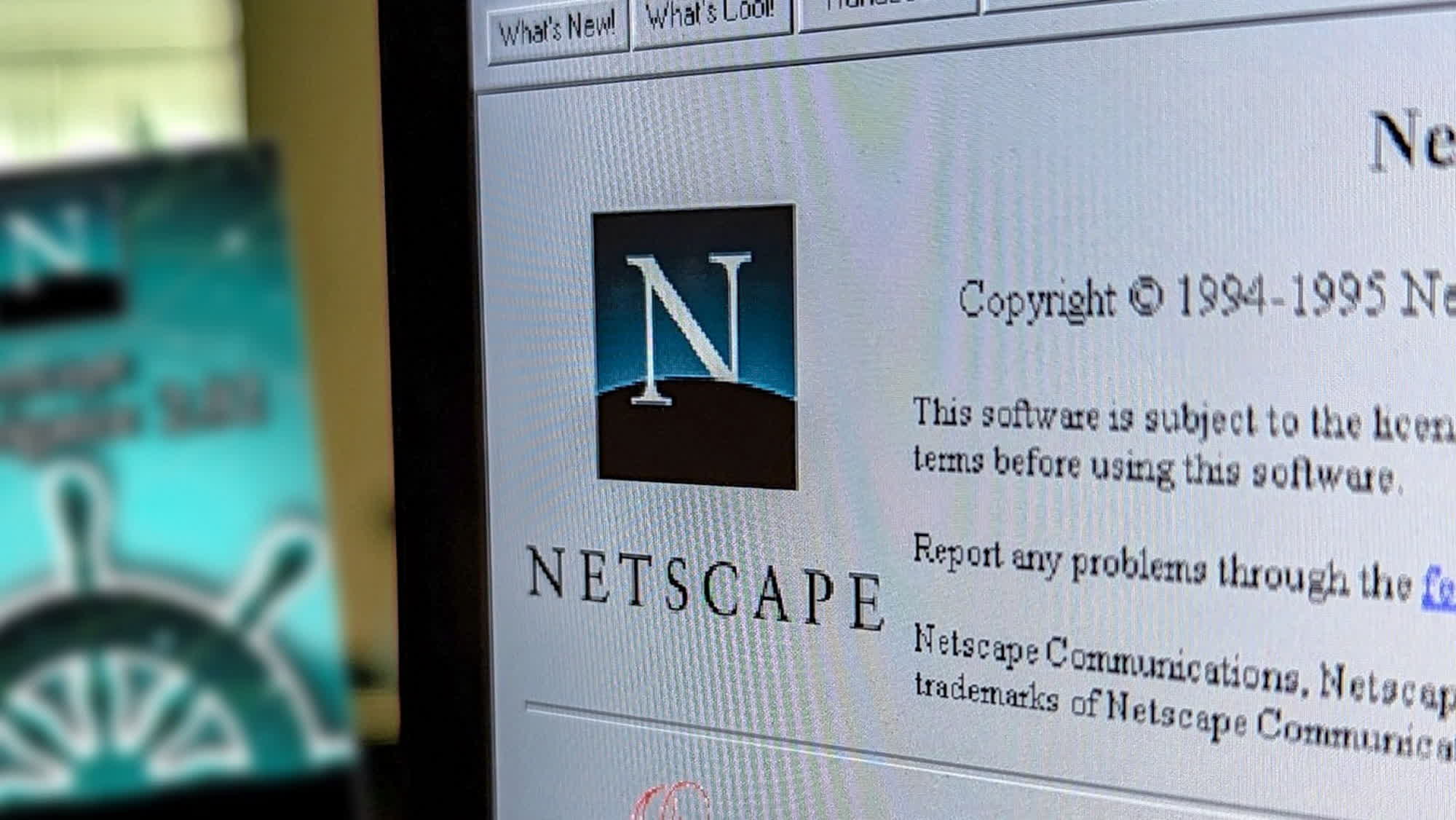
Eich initially wanted to name the language "Mocha," while Netscape briefly rebranded it "LiveScript" before settling on JavaScript. It was first announced in December 1995 and reached its initial 1.0 release in March 1996. Netscape engineers continued refining JS over time, and users got their first taste of JavaScript features through Netscape Navigator.
Also read: What Ever Happened to Netscape?
Before Microsoft embedded Internet Explorer into Windows 9x in an attempt to dominate the web, Netscape's proprietary browser was the de facto standard for surfing the early internet on Pentium-era PCs. Netscape and Navigator are long gone, but JavaScript now powers browsers, development platforms, and server-side frameworks for modern cloud applications.
JavaScript eventually became an industry standard through the ECMAScript specifications, with ECMA standing for the European Computer Manufacturers Association. Meanwhile, the JavaScript trademark has sparked ongoing legal conflict between Oracle and the wider community of JS developers.
Oracle is said to have acquired the rights to the JavaScript name after purchasing Sun Microsystems in 1997, yet has made no meaningful contribution to the language itself. The JS community wants to reclaim the right to freely use the "JavaScript" name, but Oracle has shown no intention of granting it.