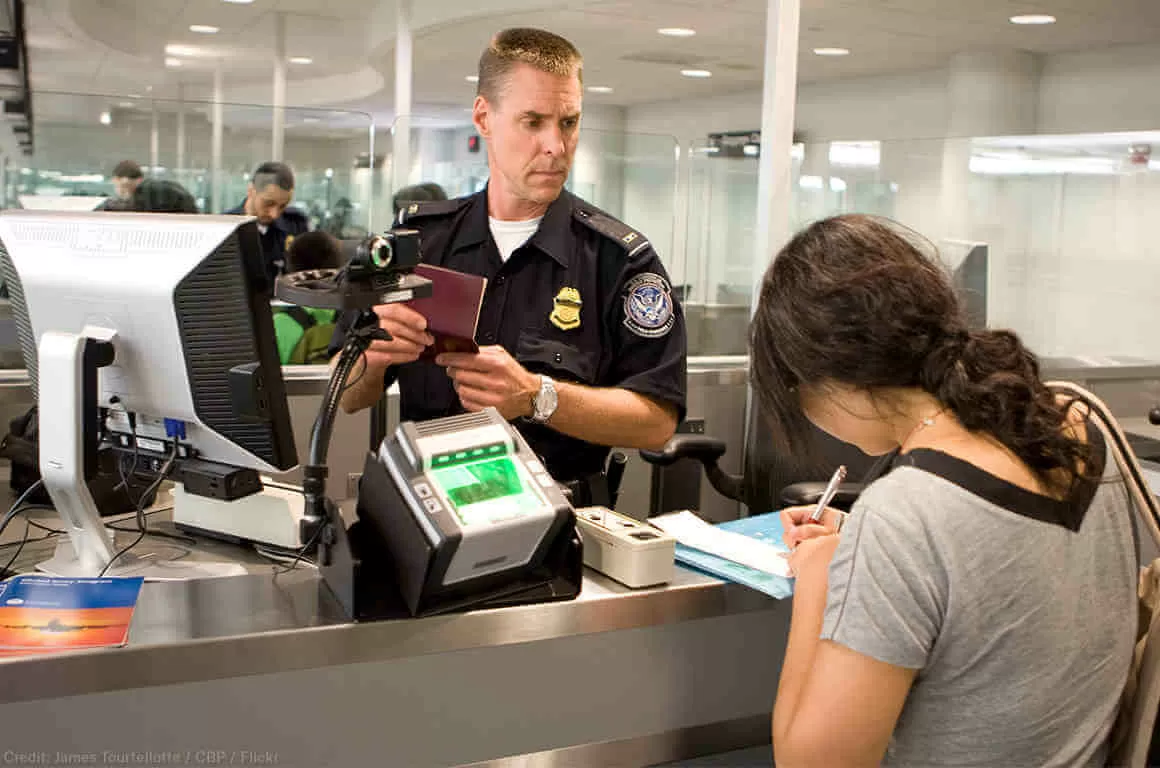
A hot potato: The US Customs and Border Protection (CBP) has filed a proposal that would see travelers from 42 countries, including the UK, France, Germany, and South Korea, have five years of their social media history reviewed as part of the visa waiver programme. The agency would make this search "mandatory" for those visiting the US.
Travelers from the 42 countries can currently visit the US for up to 90 days without a visa, provided they obtain an electronic travel authorization.
The New York Times reports that in a document filed in the Federal Register, CBP plans to require applicants to provide a list of personal data, including social media, email addresses from the last ten years, and the names, birth dates, places of residence, and birthplaces of parents, spouses, siblings and children.
Border officials will collect face, fingerprint, DNA, and iris biometrics "when feasible." CBP currently only records face and fingerprints upon arrival at the US border.
Applicants currently pay $40 to enroll in the Electronic System for Travel Authorization (ESTA) program and must submit only an email address, home address, phone number and emergency contact information.
Xiao Wang, co-founder and chief executive of Boundless, a visa- and immigration-assistance company, told the NYT that listing your social media handles has been optional on the application since 2016.
The CBP never previously explained how not listing social media details would affect an application, though declining may lead to additional screening. Wang expects the government will increasingly view those who refuse to hand over the information as having something to hide.
The CBP said it would accept 60 days of public comments on the proposal.
As of December 15, the US government will also conduct social media reviews for some visa applicants, including all H-1B applicants and their dependents, who are instructed to adjust the privacy settings on all of their social media profiles to public.
There have already been reports of travelers being denied entry to the US because of anti-Trump social media posts and messages found on their personal devices – content the CBP has described as "terrorism."
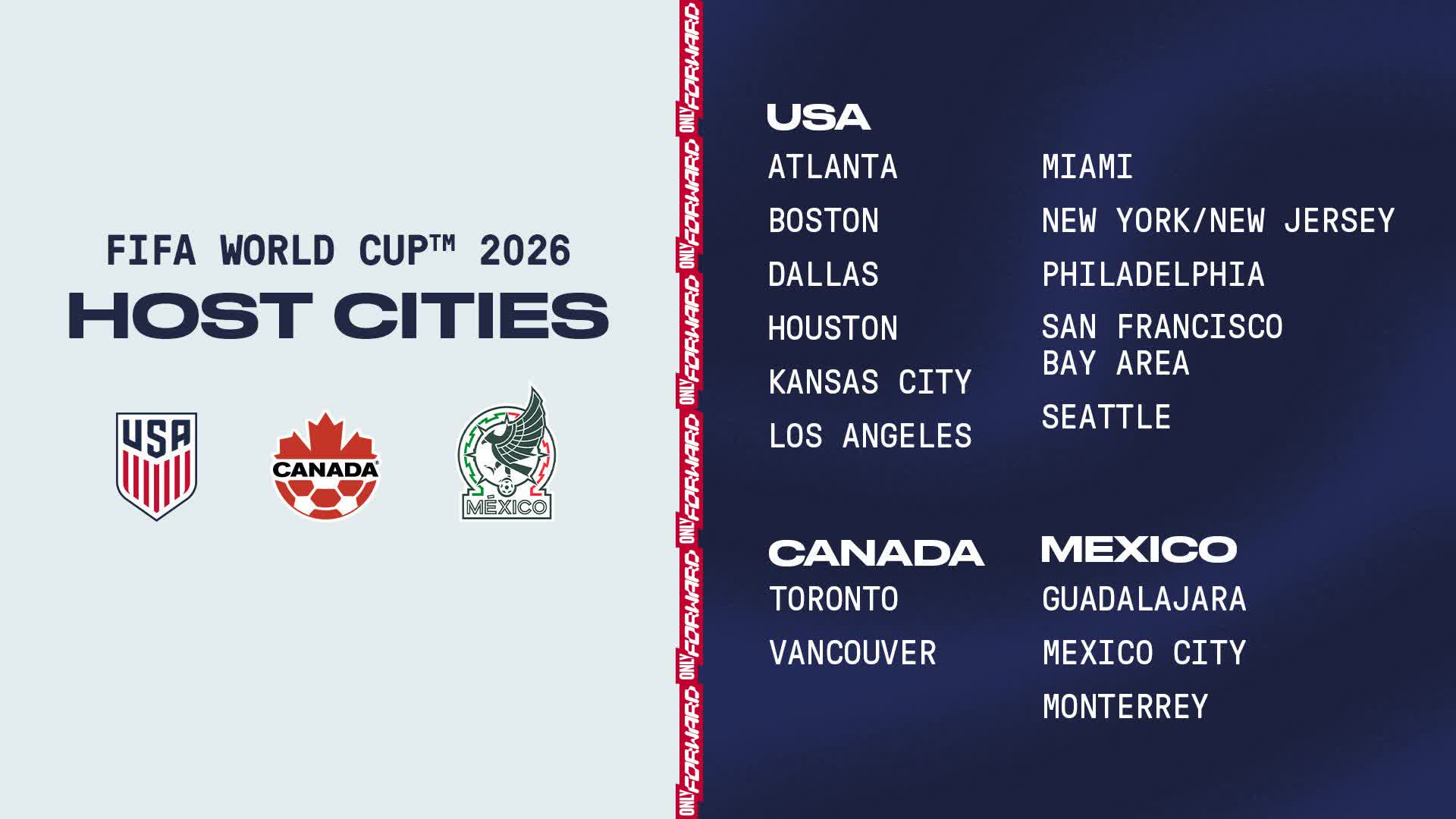
The US will experience massive increase in foreign visitors next year as it hosts the World Cup soccer tournament alongside Canada and Mexico. There will be another influx of travelers arriving for the 2028 Olympics in Los Angeles.
With the prospect of agents trawling through years of social media posts, many who say they had planned to travel to the US for the sporting events have now decided to stay at home.
"This policy introduces a chilling atmosphere of surveillance that directly contradicts the welcoming, open spirit the World Cup is meant to embody and it must be withdrawn immediately," said Ronan Evain, the executive director of Football Supporters Europe.
A spokesperson for US Customs and Border Protection said: "Nothing has changed on this front for those coming to the United States. This is not a final rule, it is simply the first step in starting a discussion to have new policy options to keep the American people safe. The department is constantly looking at how we vet those coming into the country, especially after the terrorist attack in Washington DC against our National Guard right before Thanksgiving."