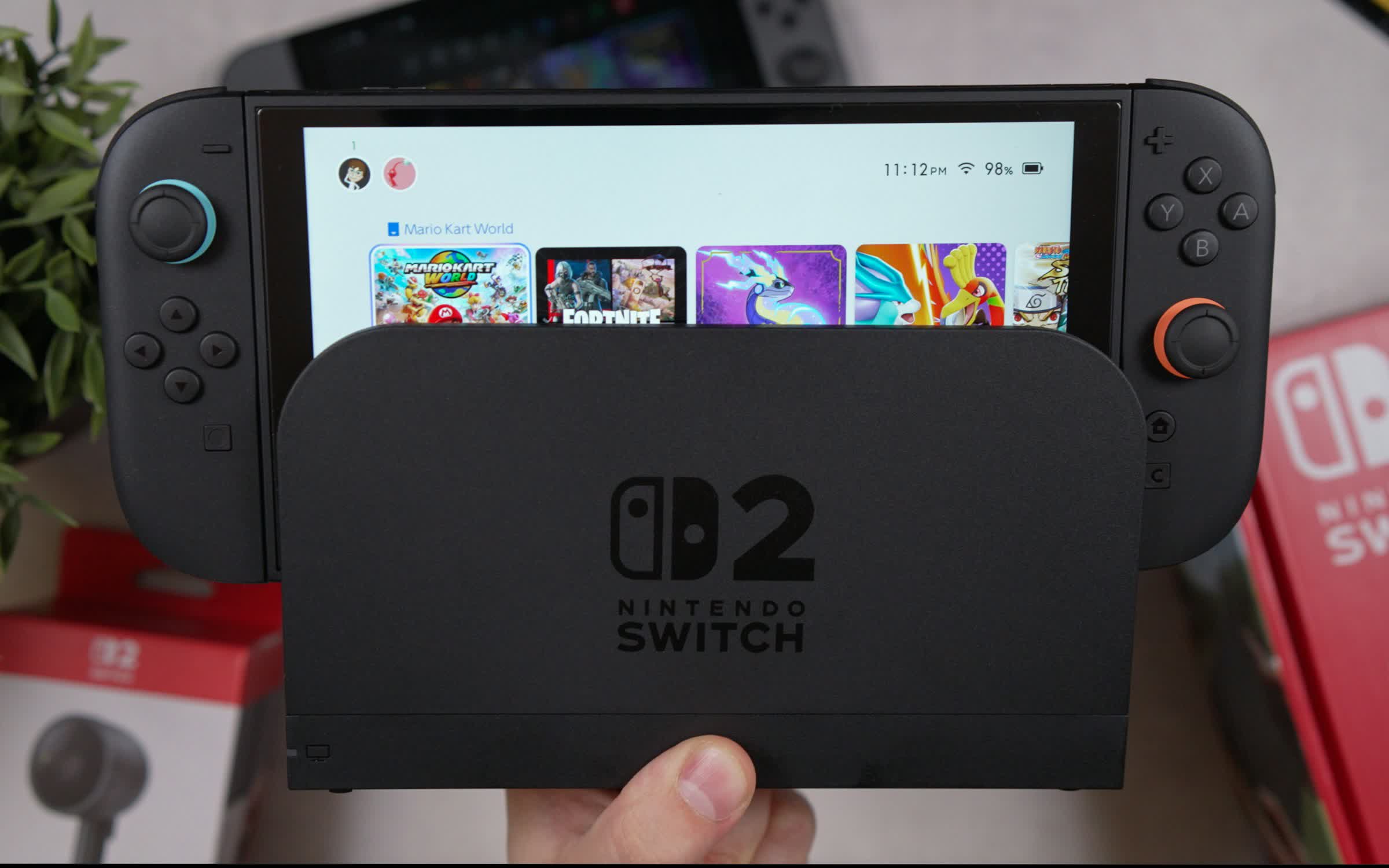
Ripple effect: Nintendo is experiencing the same headache with the rising price of memory as everyone else: the Japanese gaming giant faces paying more in manufacturing costs for the Nintendo Switch 2 as DRAM and NAND prices skyrocket. Investor concerns over the situation have seen the company's shares plummet this month, wiping up to $14 billion off its market cap.
The memory shortage crisis, a result of the huge demand from AI companies, has sent DRAM prices through the roof. According to Bloomberg, Nintendo is now paying 41% more for the 12 GB LPDDR5X modules used in the Switch 2 than it did three months ago.
It's not just DRAM, either. The price of 256GB of NAND flash memory in the handheld console has risen by 8%. This change is plain to see in the high prices of microSD Express cards, used to expand the Switch 2's storage. "This is effectively a cost that Nintendo has passed onto the gamer," Pelham Smithers of Pelham Smithers Associates told Bloomberg.
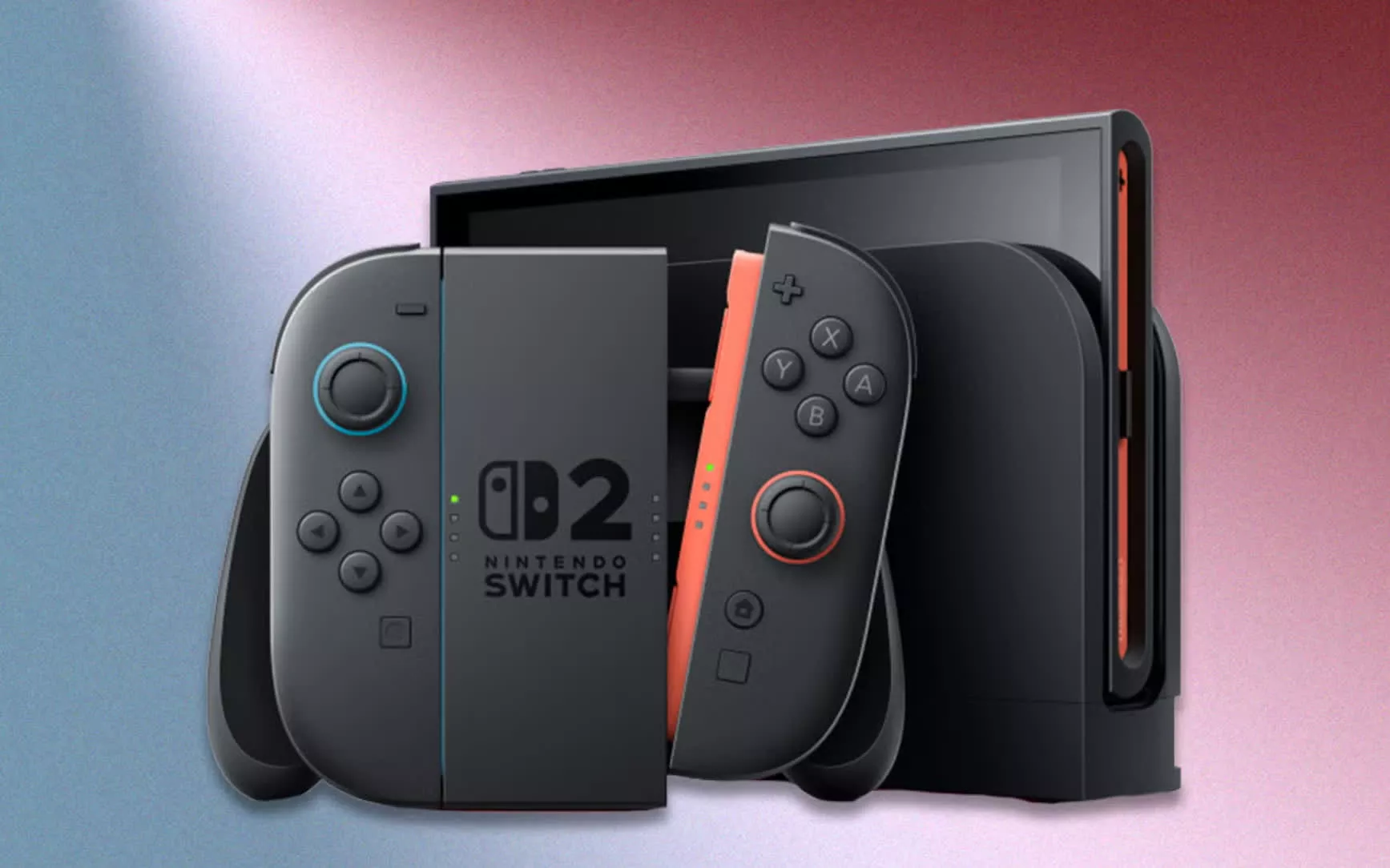
Specific data on the exact profit per unit for the Switch 2 isn't officially disclosed in Nintendo's public reporting. However, industry reports and retailers suggest that the company may be making very low profit (or near zero margin) on individual Switch 2 hardware units at launch, focusing more on building a large installed base.
A significant increase in the bill of materials like this could be too much for Nintendo to absorb, which would mean the extra costs being passed on to the consumer in the form of a price hike.
Also read: AI Is Eating All the DRAM. DDR5 Prices Just Doubled. GPUs Could Be Next.
Nintendo does expect the Switch 2 to continue selling well. At the start of November, it increased the expected number of unit sales through to March 2026 from 15 million to 19 million. It'll be interesting to see if that pans out should Nintendo increase the price of the hybrid device.
The memory crisis has seen the price of DRAM rise to comical heights – some stores stopped listing them due to their volatility. Right now, many DRAM kits are more expensive than consoles or even high-end graphics cards. With laptops, storage, and GPUs likely to be affected as time goes on, it's starting to feel like the covid years all over again.
Image credit: Daniel Romero