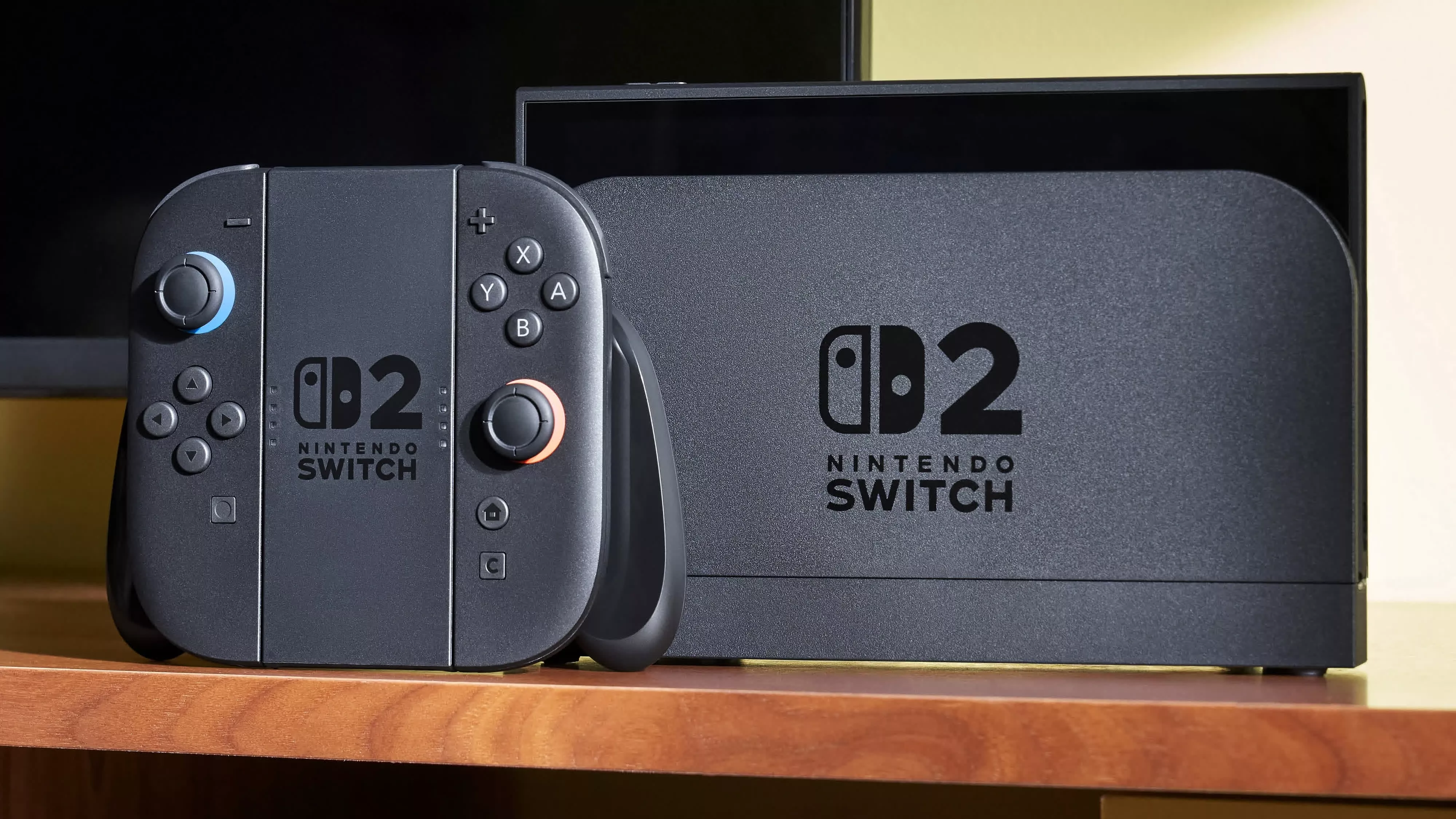
Forward-looking: Nintendo is preparing changes to its forthcoming Switch 2 console to meet Europe's stricter repairability standards, a move that signals how the EU's new rules could reshape hardware design across the consumer electronics industry. The company is developing a version of the hybrid console with a user-replaceable battery to comply with the bloc's new battery rules under the EU Batteries Regulation, which include a user-replaceable requirement that takes effect in February 2027.
According to a Nikkei report, the update will allow consumers to remove and replace batteries using ordinary tools, without special equipment or risking damage to the device. The more easily repairable model is expected to debut in Europe, with the design expanding to other markets if required by similar legal frameworks.
While the specifics of the redesign remain undisclosed, a teardown by iFixit gives some clues about what may change. In its disassembly of the current Switch 2 and related Joy-Con controllers, iFixit found that both devices use adhesive to secure their batteries.
The teardown process involved prying out the cells with a spudger – a common tool, but one that can pose risks if force is required or if adhesive must be dissolved. Even minor design adjustments, such as reducing adhesive strength or implementing battery brackets, could substantially improve safety and ease of repair.
The EU's 2027 mandate aims to curb electronic waste by requiring that batteries in portable devices, including smartphones and game consoles, can be replaced without relying on proprietary parts or inaccessible tools. Manufacturers will need to design products with simpler disassembly and component replacement in mind.
The Switch 2 is expected to carry Nintendo's gaming platform forward for several years, making early compliance with EU regulations both a legal and logistical advantage. It may also ease future updates should other jurisdictions follow Europe's lead on right-to-repair standards, as several US states are already exploring similar legislation.
The extent of Nintendo's hardware modifications remains to be seen. The company may opt to replace internal fasteners, such as the tri-point screws used in earlier models, with standard ones to make repairs more consistent and accessible for consumers. Other changes could include new casing or a more modular design to make battery swaps easier.
Although the EU's rules will not take effect for nearly a year, Nintendo's early compliance points to an industry increasingly responsive to regulatory pressure around sustainability and repairability. If these changes make the console truly user-serviceable, the Switch 2 could be a key moment for right-to-repair in mainstream gaming hardware.