Rumor mill: Amazon is working on a smartphone that revives one of Jeff Bezos' longest-running ambitions: a voice-driven computing assistant that follows users through their day, rather than sitting on a kitchen counter or desk.
According to people familiar with the project who spoke to Reuters, Transformer is being built inside Amazon's devices and services division as a "personalization device" that could tie together the company's consumer services and its revamped Alexa assistant.
The aim, the people said, is to create a phone that makes it easier to buy from Amazon.com, stream Prime Video and Prime Music, and order from partners such as Grubhub throughout the day, while leaning heavily on voice and AI instead of the familiar app-icon grid. Alexa would be a core part of the interface but is not expected to serve as the underlying operating system.
A major technical focus for the team is integrating AI deeply enough that users can accomplish many tasks without downloading separate apps or registering for separate services through traditional app stores. The concept pushes Alexa closer to the sci-fi ideal Jeff Bezos has championed for years: a single, always-available voice interface that can manage a user's media, shopping and daily tasks in one place.
The work on Transformer has not been publicly detailed by Amazon. There is no announced price, release window, or indication of how far the company will ultimately take the project, and people familiar with the effort caution that it could be delayed or scrapped if Amazon's strategy or financial priorities change. Amazon has declined to comment on the device.
The project is being led by ZeroOne, a relatively new group within the devices unit tasked with building breakthrough gadgets. ZeroOne is headed by J Allard, the former Microsoft executive who helped shape hardware efforts including the Xbox console and the Zune music player.
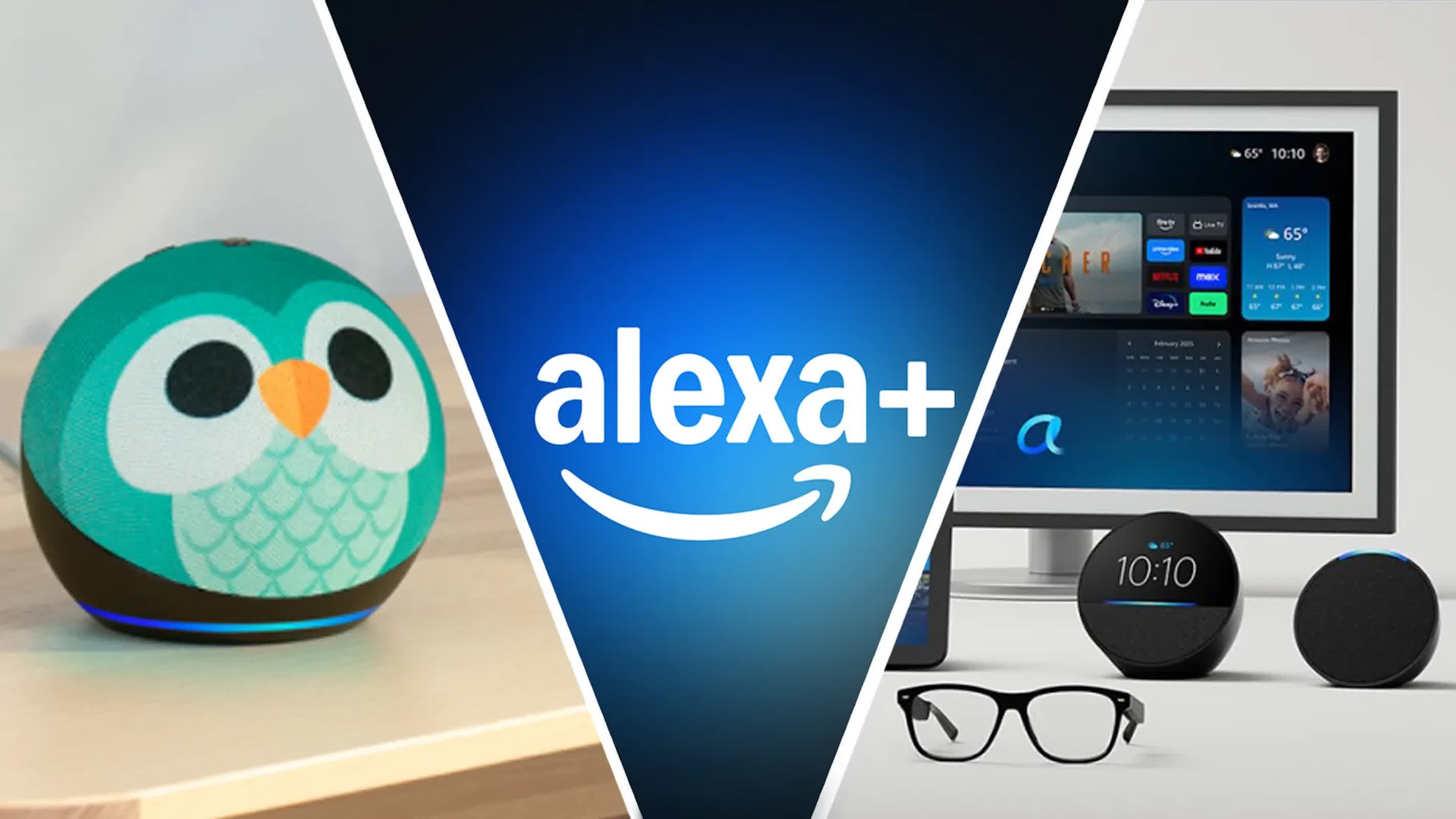
Internally codenamed Transformer, the device is being developed more than a decade after the failure of the Fire Phone and is designed to place Alexa, Amazon shopping, and AI-driven personalization at the center of a new mobile experience.
People who have worked on Transformer say Amazon is exploring more than one form factor. One path resembles a conventional smartphone that would compete more directly with devices from Apple and Samsung, with Amazon's differentiation coming from Alexa and its services layer rather than raw hardware specs.
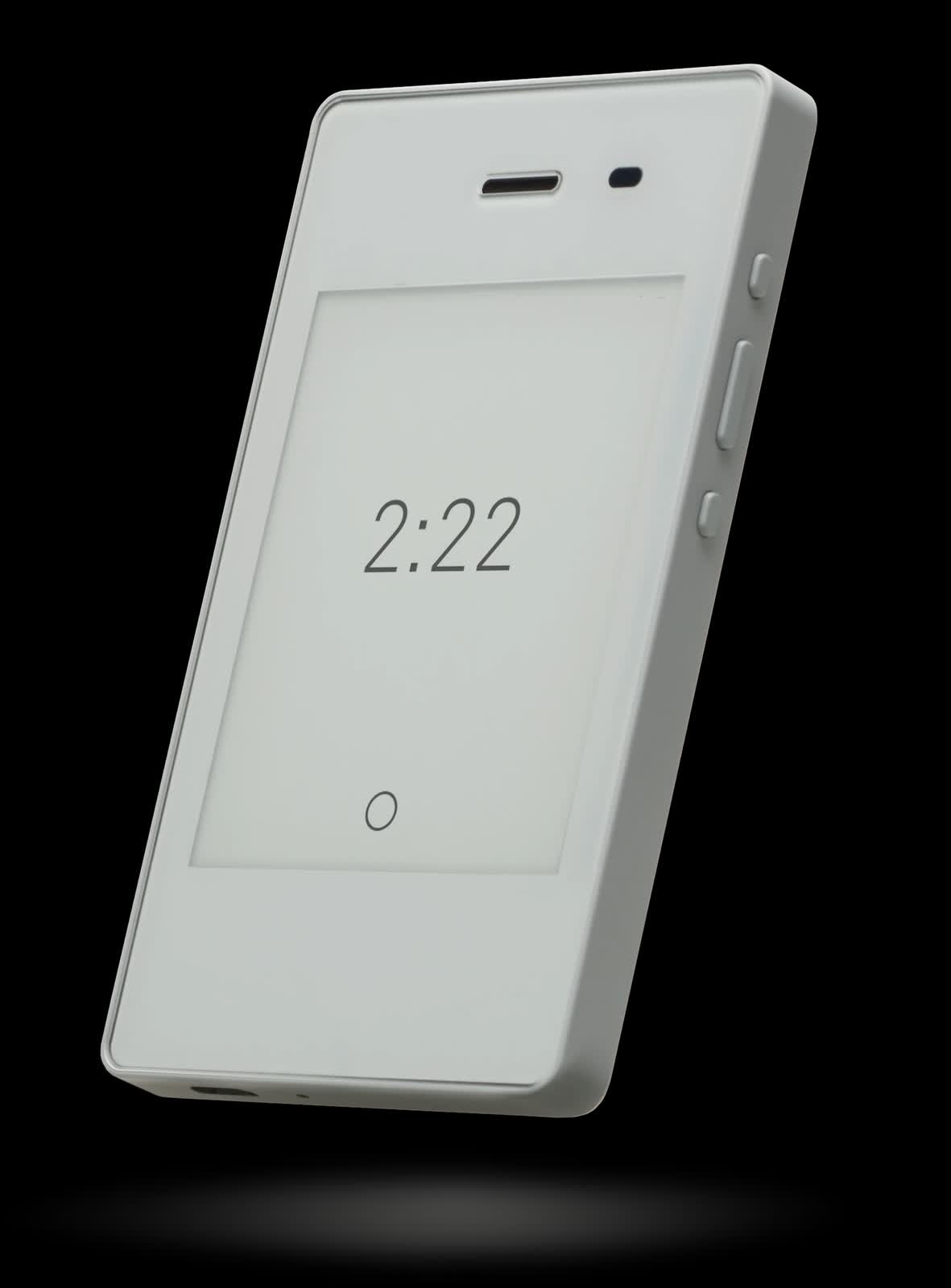
Another option under consideration is a "dumbphone" with limited features meant to curb screen time, inspired in part by the minimalist Light Phone, which offers a camera, maps, and calendar but omits a web browser and app store. Such a device could be marketed as a second handset that complements an existing iPhone or Galaxy. Basic and minimalist phones, including flip models, accounted for about 15% of global handset sales in 2025, according to Counterpoint Research.
Transformer is being developed against a far tougher backdrop than Amazon faced a decade ago. Apple and Samsung together controlled about 40% of global smartphone unit sales last year, cementing their grip on the high end of the market. At the same time, industry researcher IDC expects global smartphone shipments to fall by about 13% in 2026, the steepest decline on record, as surging memory chip prices push up device costs and encourage manufacturers to focus on higher-margin models. That combination of consolidation and contraction raises the bar for any new entrant that needs scale to make the economics work.
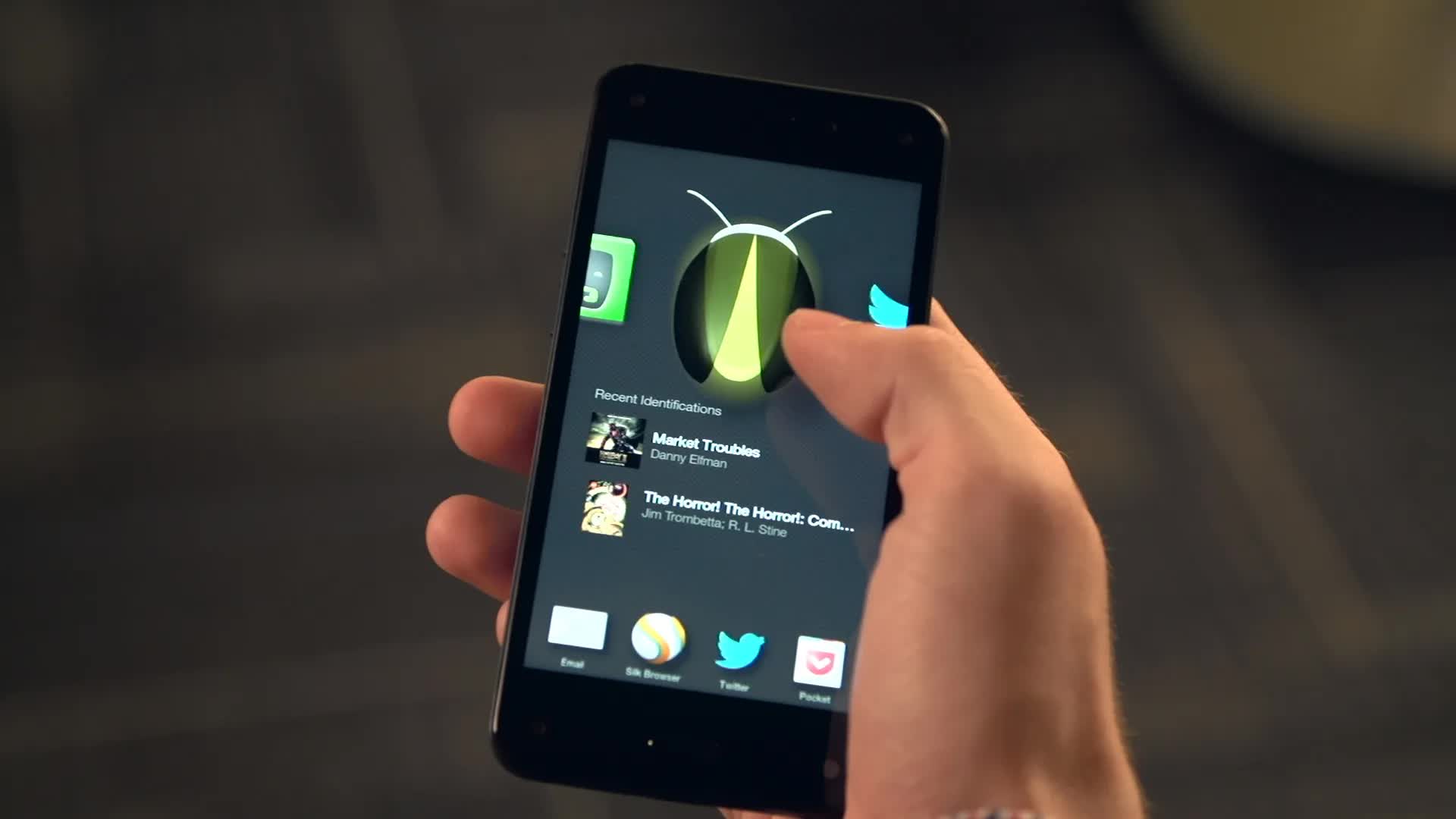
Amazon's first attempt to translate its ecosystem into a handset, the Fire Phone, illustrates the risks. Launched in 2014, the Fire Phone included a camera-based shopping tool that recognized products and added them to customers' Amazon carts and a multi-camera 3D display system intended to set it apart.
But it ran on Fire OS, which lacked many popular apps available on iOS and Android, and its 3D system consumed so much power that the handset could overheat. Even after Amazon bundled a free year of Prime and cut the unlocked price from $649 to $159, the device sold poorly and was discontinued after about 14 months, resulting in a $170 million charge for unsold inventory.
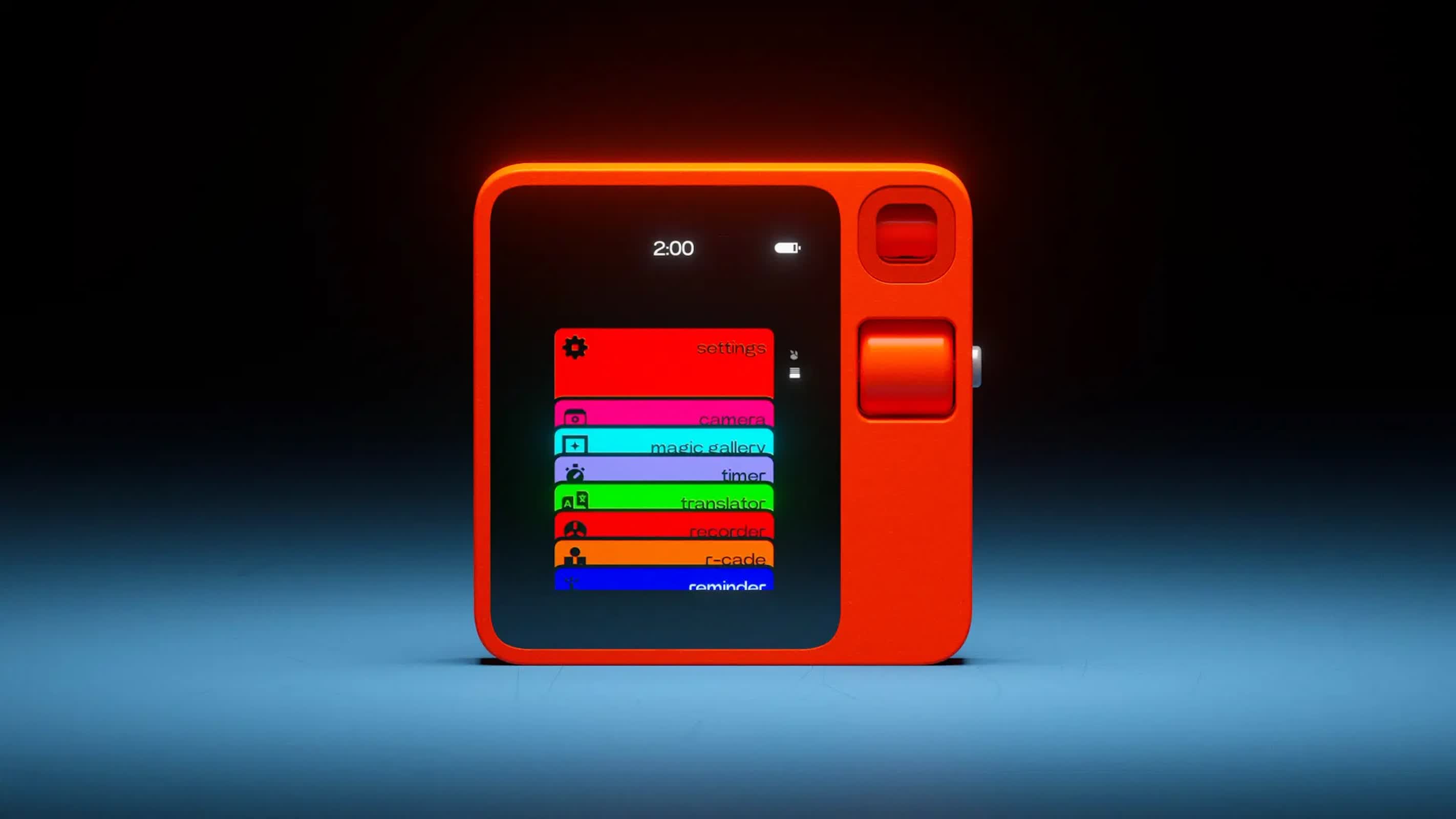
The broader market for AI-centric hardware also carries warning signs. Humane's AI Pin and the Rabbit R1 assistant both tried to move beyond the smartphone and offer ambient, always-available access to generative AI without requiring users to log in to a phone or computer, but both suffered poor critical receptions and weak sales. Humane ultimately wound down the pin business and sold its assets to HP.
Despite those setbacks, large platforms are continuing to experiment with AI-native devices that move away from the app-driven interface of current phones. Apple, Google, and Meta are developing new AI-embedded glasses, watches and headphones, and OpenAI has been working with former Apple design chief Jony Ive on several hardware prototypes.
IDC analyst Francisco Jeronimo tells The Register that Amazon's best chance with Transformer lies not in beating Apple, Samsung or leading Chinese manufacturers on traditional smartphone metrics, but in reframing the device as an AI-first node in a broader services ecosystem.
In his view, the real contest would shift toward ecosystems, AI capabilities and deep service integration – areas where Amazon can combine its commerce, content, cloud and Alexa assets. Even so, the opportunity is seen as narrow and increasingly crowded, and execution risk is high enough that missteps could leave the device with little room in a contracting market.