
Recap: One suggestion for helping the many thousands of people laid off or unable to find a job because of AI has long been a basic income program. That plan is no longer a theoretical proposition: it started running this week, though recipient numbers are currently low.
The program is for workers who have lost pay, jobs, or opportunities to AI, writes the Blood in the Machine newsletter. Called the AI Dividend, it is run by nonprofits the AI Commons Project and What We Will, which aim to support humans in an increasingly AI-first world.
AI Dividend issues a no-strings payment of $1,000 a month for a year to between 25 and 50 workers impacted by AI. Organizers say they have $300,000 in initial funding. The goal is to distribute $3 million in funds in 2026, an ambitious target they hope to achieve by pushing AI companies to contribute to the program, which sounds easier said than done.
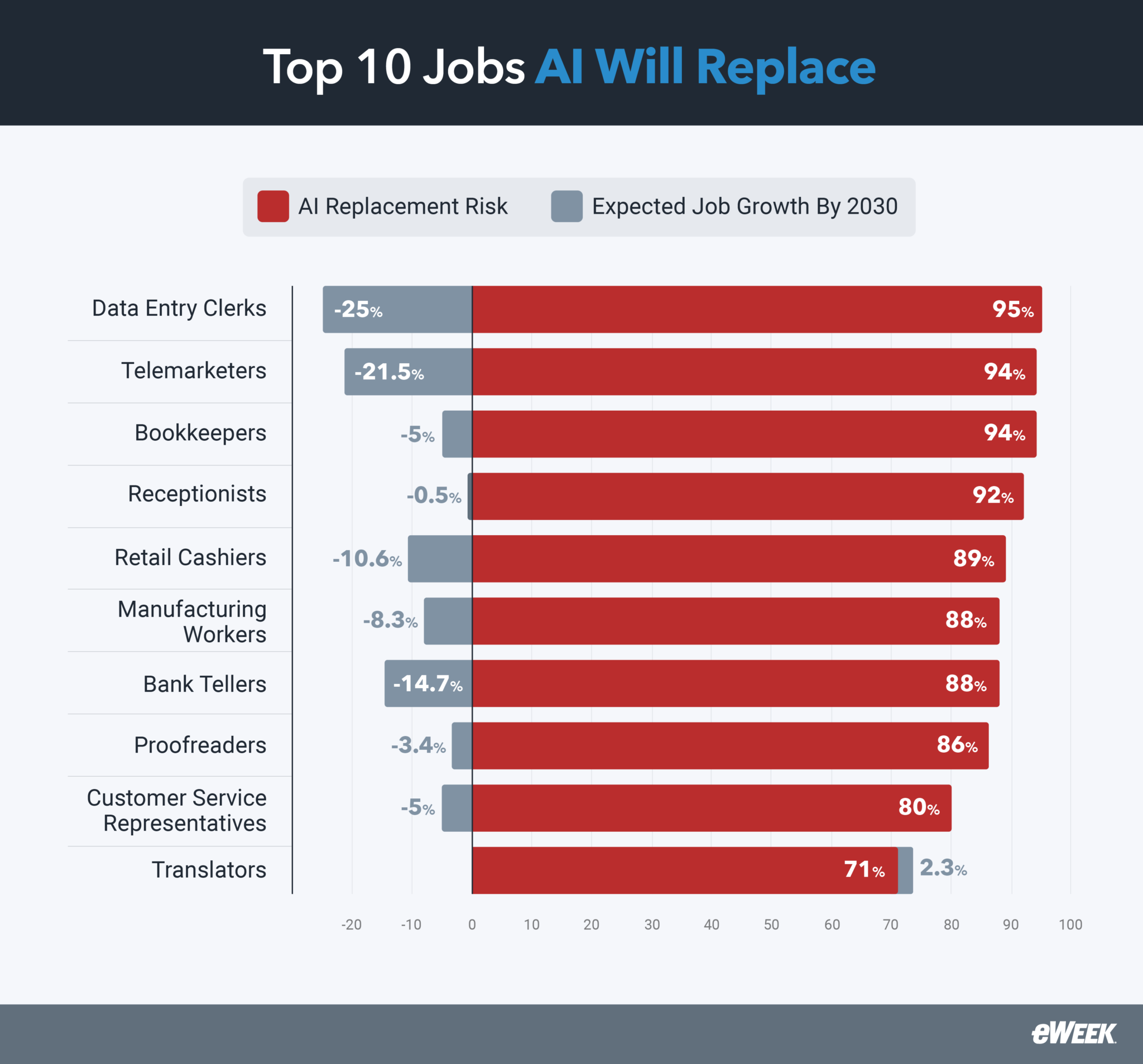
One of the organizers behind the program, veteran software engineer Kaitlin Cort, said the scale of the AI issue became apparent through the difficulties in trying to find jobs for graduates of her programming classes.
Related reading: AI could erase half of all entry-level white-collar jobs within five years, warns Anthropic CEO
Cort says she's seen the job market for entry-level programmers dry up as executives and managers across the tech industry embrace AI coding assistants powered by Microsoft's Copilot and Anthropic's Claude.
"The few jobs that students have landed have often been demeaning," Cort says, "and not really allowing them to do real engineering work, but rather asking them to review repetitive tasks, and validate parts of code created by AI."
One person who is, or was, a supporter of universal basic income is Sam Altman. The OpenAI boss said that in 2016, he started realizing the effects that advanced AI could have on society, especially jobs, and conducted an experiment aimed at showing that UBI could negate some of these issues. That program gave 1,000 people $1,000 per month, while a 2,000-person control group was given $50 per month.
Altman's study ultimately found that regular cash gave people more flexibility and let them spend more on basics like food and housing, while only slightly reducing work hours. But it did not significantly improve physical health or long-term financial stability.
In 2024, Altman said that UBI could be supplanted by what he calls universal basic compute. "[E]verybody gets a slice of GPT-7's compute and they can use it, they can resell it, they can donate it to somebody to use for cancer research," Altman suggested.
In August 2025, Miles Brundage, who was OpenAI's senior policy advisor and head of the AGI readiness team until 2024, argued that AI-enabled growth could push UBI to $10,000 per month.
– Miles Brundage (@Miles_Brundage) August 20, 2025
One of the Godfathers of AI, Geoffrey Hinton, also believes these payments will be needed in the face of AI-related job losses, though Anthropic boss Dario Amodei thinks handing out money won't be enough to address the problem.