
Ripple effect: Ongoing AI datacenter construction has created shortages of DRAM and NAND that manufacturers say will impact prices for years, but memory isn't the only component that datacenters require. Recent reports indicate that manufacturers are also facing shortages of CPUs that might further increase prices.
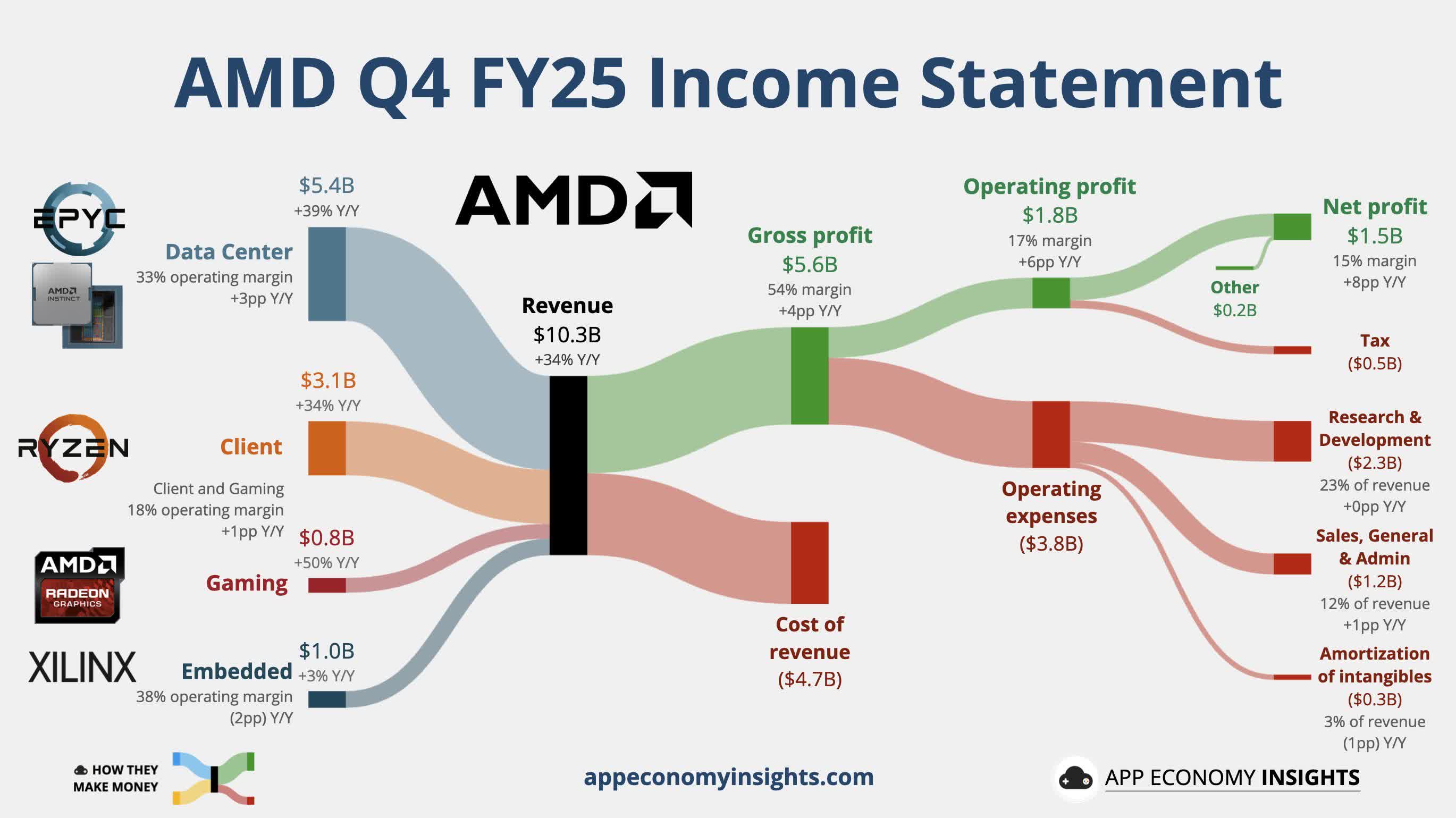
PC and server manufacturers recently informed Nikkei Asia that they are no longer receiving enough processors from Intel and AMD to satisfy demand. Server and OEM PC manufacturing could face delays, and prices might rise by 10% to 15%.
Companies such as Dell and HP report that delays and shortages have worsened in recent months. One server manufacturer stated that lead times have lengthened from two weeks to several months, and other sources report that delays and shortages could become even more severe in the second quarter of 2026. While Intel's foundries partially insulate it from the problem, AMD must compete with other chipmakers for semiconductors.

TrendForce reported disruptions in Intel and AMD CPU supply chains earlier this month, which might contribute to rising prices that threaten to eliminate the entry-level laptop market. Earlier this year, Intel and AMD also acknowledged CPU demand spikes and supply shortages. The problem compounds other issues caused by memory shortages, which have also led to delays and price hikes.
Since AI datacenters require massive amounts of RAM and storage, the ongoing AI boom has diverted DRAM and NAND manufacturing capacity previously intended for consumer PCs and other electronics. DDR5 memory has become so expensive that PC upgrade cycles have stalled, as users try to save money by sticking to older processors and motherboards that support DDR4.
Laptop prices have also increased, and Valve was forced to delay its upcoming Linux mini PC, the Steam Machine. Micron shuttered its nearly three-decade-old consumer RAM business, and other manufacturers predict that the crisis could last into 2030.

However, Arm is one company that sees an opportunity in the ongoing demand for datacenter hardware. While Arm normally licenses its IPs and delivers reference designs to other manufacturers, the company recently unveiled the first independent product in its 35-year history, the AGI CPU.
Arm's big wager that it can satisfy demand for agentic AI processors unmet by Intel and AMD server CPUs is already receiving support from Meta, Cloudflare, SK Telecom, Lenovo, OpenAI, and many other companies.