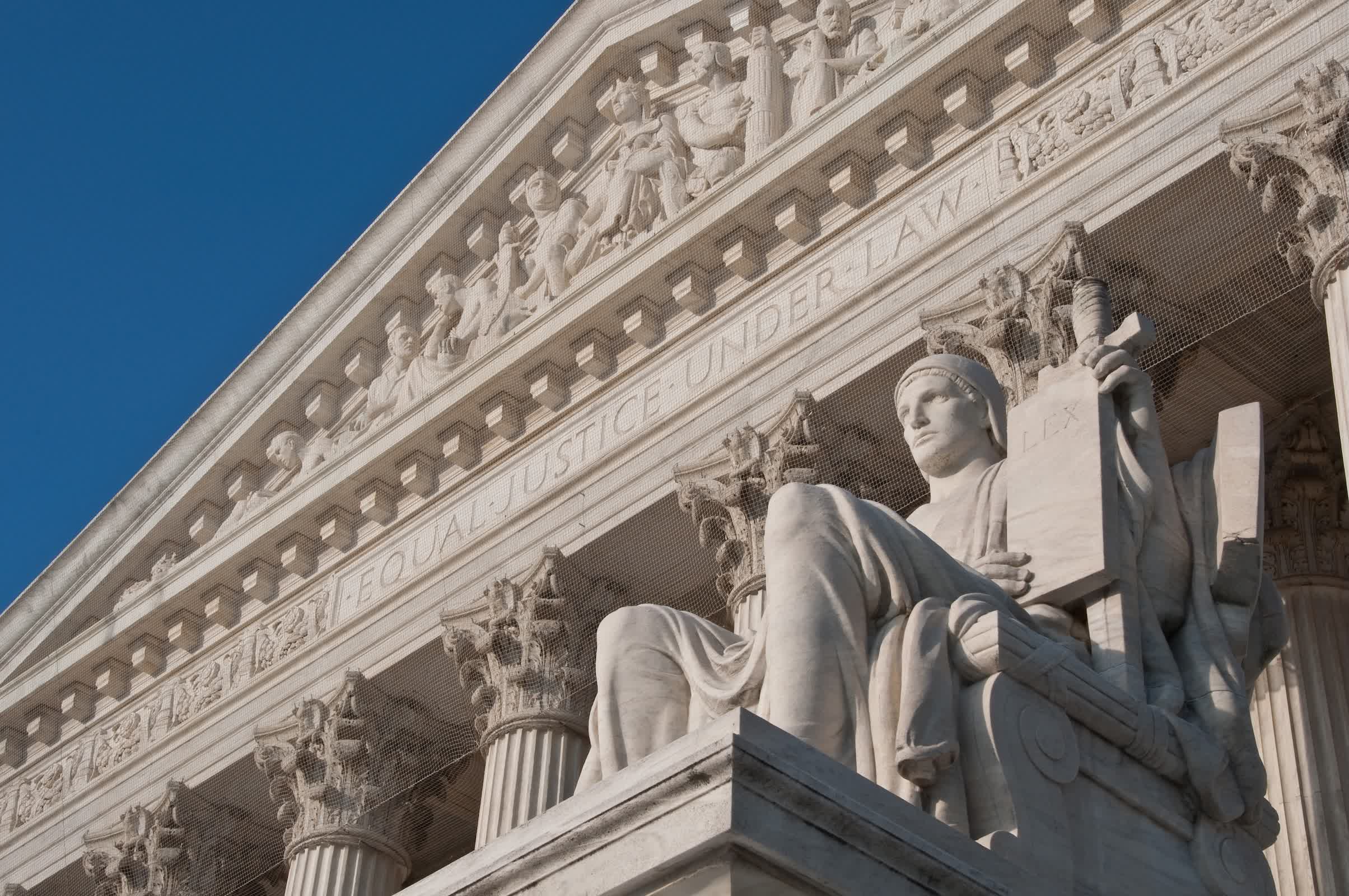
Why it matters: The US Supreme Court has drawn a sharp line around when connectivity infrastructure can be blamed for what moves across it, holding that an Internet access provider is not a copyright infringer simply because it continues to serve customers accused of piracy.
In a unanimous judgment for Cox Communications, the Court ruled that an ISP is contributorily liable for user infringement "only if it intended that the provided service be used for infringement," and that intent can be shown "only if the party induced the infringement or the provided service is tailored to that infringement."
At stake was whether Cox could be held to account for billions in potential damages under theories of secondary liability arising from its response to infringement notices regarding subscribers on its network. The music labels, led by Sony Music Entertainment, had earlier won a $1 billion jury verdict over peer-to-peer music piracy, arguing that Cox knowingly continued to provide access to "habitual offenders" and thus materially contributed to mass infringement.
That damages award was later overturned, but a federal appeals court still found Cox liable for willful contributory infringement.
The Supreme Court rejected that approach. It held that merely providing a general-purpose connectivity service – even with awareness that some users are infringing – does not, by itself, establish contributory infringement.
Cox's residential and enterprise Internet access, the Court stressed, is "capable of 'substantial' or 'commercially significant' noninfringing uses" and was not "tailored to infringement."
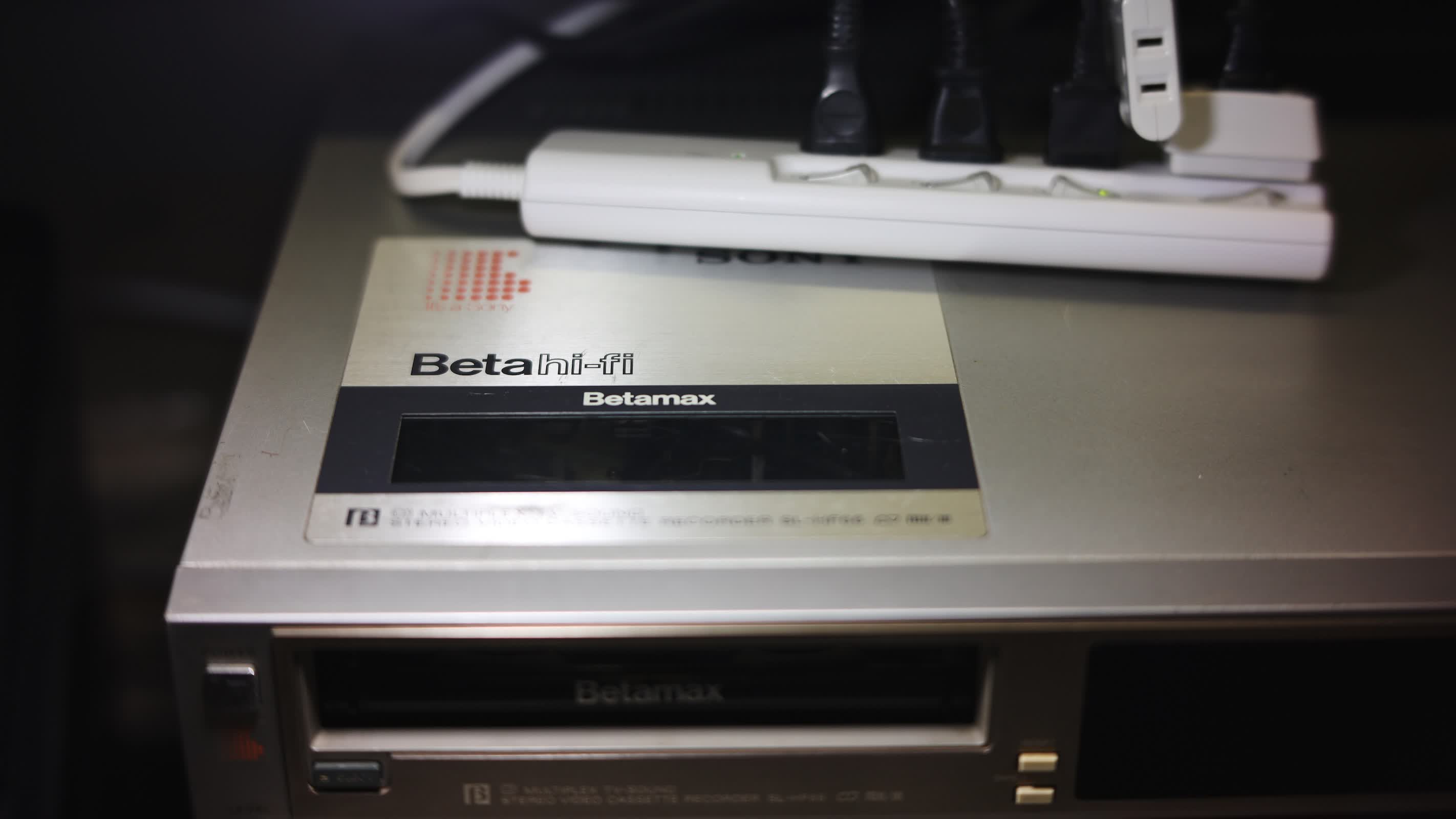
The opinion explicitly ties the liability standard back to the Court's technology-defining precedents: Sony's 1984 Betamax ruling and the 2005 MGM Studios v. Grokster decision.
In Betamax, the Court held that Sony's video recorder was lawful because it had significant noninfringing uses; selling it did not make Sony a contributory infringer.

In Grokster, by contrast, the Court found that a peer-to-peer file-sharing service could be liable where it actively promoted infringement, marketed itself as a piracy tool, and built its business model around that use.
The decision has immediate consequences for how network operators handle copyright alerts. Had the Court embraced Sony's position, large access providers might have been pushed toward aggressive "repeat infringer" termination programs to avoid catastrophic judgments, effectively turning backbone and last-mile networks into enforcement chokepoints.
Digital rights advocates framed the case as much about endpoint access as about copyright doctrine. Meredith Rose, senior policy counsel at Public Knowledge, said the decision "laid to rest the idea that private actors – and not just any private actors, but record labels – can determine when customers deserve to be excluded from applying to jobs, paying bills, and getting an education." She called that rejected vision "fundamentally anti-democratic" and described the ruling as "a long-overdue win for common sense."
The Recording Industry Association of America drew a narrower picture of the Court's move, saying it was "disappointed in the court's decision vacating a jury's determination that Cox Communications contributed to mass-scale copyright infringement, based on overwhelming evidence that the company knowingly facilitated theft."
Inside the Court, the main disagreement was about how far the majority went in reshaping the incentive structure Congress built into the Digital Millennium Copyright Act's safe harbor regime. The DMCA shields service providers that meet certain conditions, including having and reasonably implementing a policy to terminate repeat infringers "in appropriate circumstances."
The majority framed the safe harbor as a defensive layer that does not itself create liability: "The DMCA merely creates new defenses from liability for such providers," Justice Clarence Thomas wrote, adding that Congress made clear that failure to qualify for safe harbor "shall not bear adversely upon… a defense by the service provider that the service provider's conduct is not infringing."
Justice Sonia Sotomayor, joined by Justice Ketanji Brown Jackson, agreed Cox could not be held liable on the record but faulted the majority for treating inducement and "tailored to infringement" as the only viable theories of secondary liability.
She argued that the Court's approach "unnecessarily limits secondary liability even though this Court's precedents have left open the possibility that other common-law theories of such liability, like aiding and abetting, could apply in the copyright context" and that the new rule "dismantles the statutory incentive structure that Congress created" to encourage ISPs to take reasonable anti-piracy steps.
Nevertheless, Sotomayor concurred in the judgment because, in her view, Sony had not shown that Cox possessed the specific intent required to be liable even under an aiding-and-abetting theory.
For network architects, platform operators, and other technical stakeholders, the ruling clarifies that as long as a connectivity or general-purpose service is broadly useful and not engineered or marketed as a piracy tool, secondary copyright exposure will continue to track inducement and design choices rather than sheer traffic volume.
At the same time, by reanimating the Betamax-era "substantial noninfringing uses" test and introducing a modern "tailored to infringement" label, the Court has set the stage for new litigation over what those phrases mean for contemporary networked services that blur the line between infrastructure, distribution, and application layers.