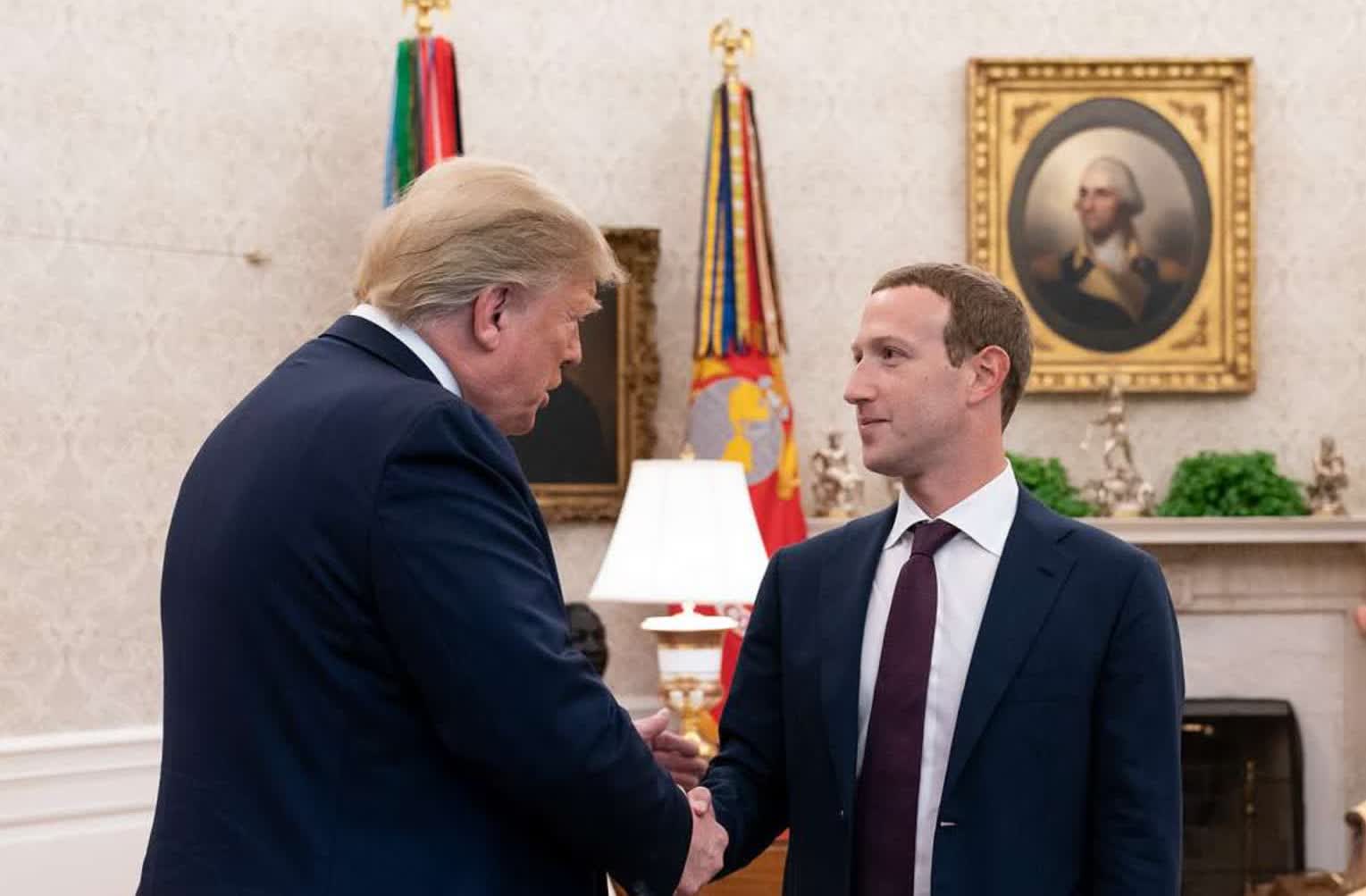
What just happened? The White House is turning to Silicon Valley's top executives to help shape federal technology policy, naming Meta chief executive Mark Zuckerberg, Oracle chairman Larry Ellison, Nvidia CEO Jensen Huang, and Google co-founder Sergey Brin to President Trump's revived Council of Advisors on Science and Technology.
The high-profile appointments mark a clear pivot for Trump's second-term tech strategy – one centered on aligning the private sector's most powerful figures with national goals around artificial intelligence, cryptocurrency, and emerging industrial policy.
According to an executive order released in January, the 13-member President's Council of Advisors on Science and Technology, or PCAST, will ultimately expand to as many as 24 members. It will "advise the President on matters involving science, technology, education, and innovation policy," and will also provide guidance meant to bolster national security, workforce resilience, and economic growth.
The administration named David Sacks, Trump's AI and crypto czar, and longtime White House technology adviser Michael Kratsios as co-chairs of the council. Both are expected to coordinate the group's policy recommendations, which could shape upcoming decisions on federal AI frameworks and state-level regulatory disputes.
Huang's presence underscores the importance of artificial intelligence hardware in the administration's technology agenda. Nvidia's dominance in AI chipmaking has positioned Huang as one of Washington's most sought-after voices on industry strategy and supply chain policy.
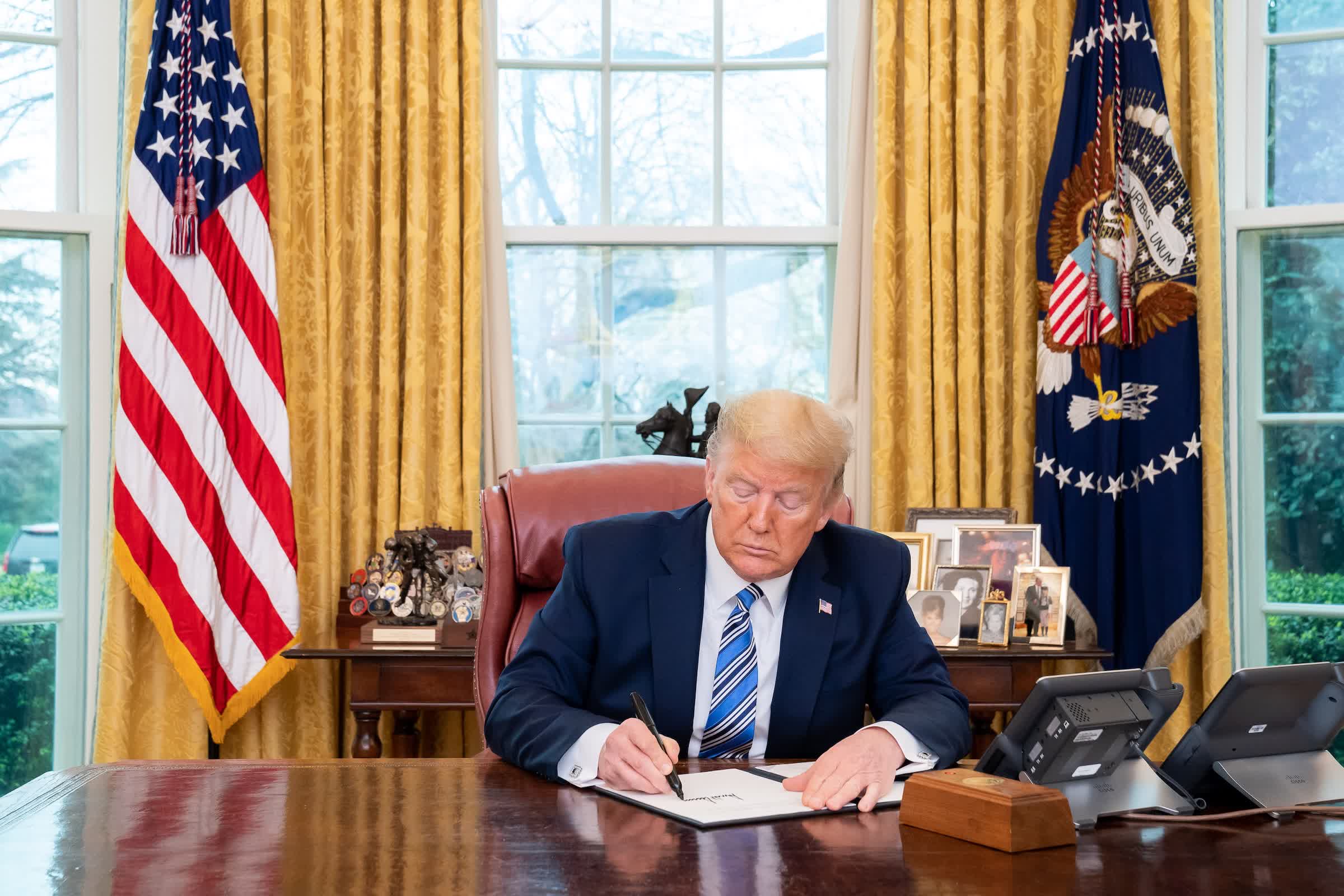
The inclusion of Brin, who has largely maintained a low public profile since stepping back from day-to-day work at Alphabet, signals a broadening of the White House's outreach to long-established tech leaders as it seeks to influence the next era of innovation policy.
Trump's first-term advisory council featured fewer household names, but this iteration carries far more industry weight. The shift also reflects a thawing relationship between the tech elite and the Trump administration. Many executives who kept their distance during his first term have since aligned themselves more closely with his economic and technology initiatives.
Trump has repeatedly emphasized that the US "has the opportunity to lead the world in AI," framing the administration's policies as enablers of a "Golden Age of Innovation." In its announcement, the White House said PCAST under Trump will focus on "the opportunities and challenges that emerging technologies present to the American workforce."
Though past presidents, dating back to George W. Bush, have convened similar advisory bodies, the newly constituted council stands out for its concentration of active power players from the technology industry – individuals whose companies not only dominate global markets but also fund or partner with key government initiatives. Whether their private-sector ambitions align neatly with public policy goals may shape the next phase of the nation's technology trajectory.