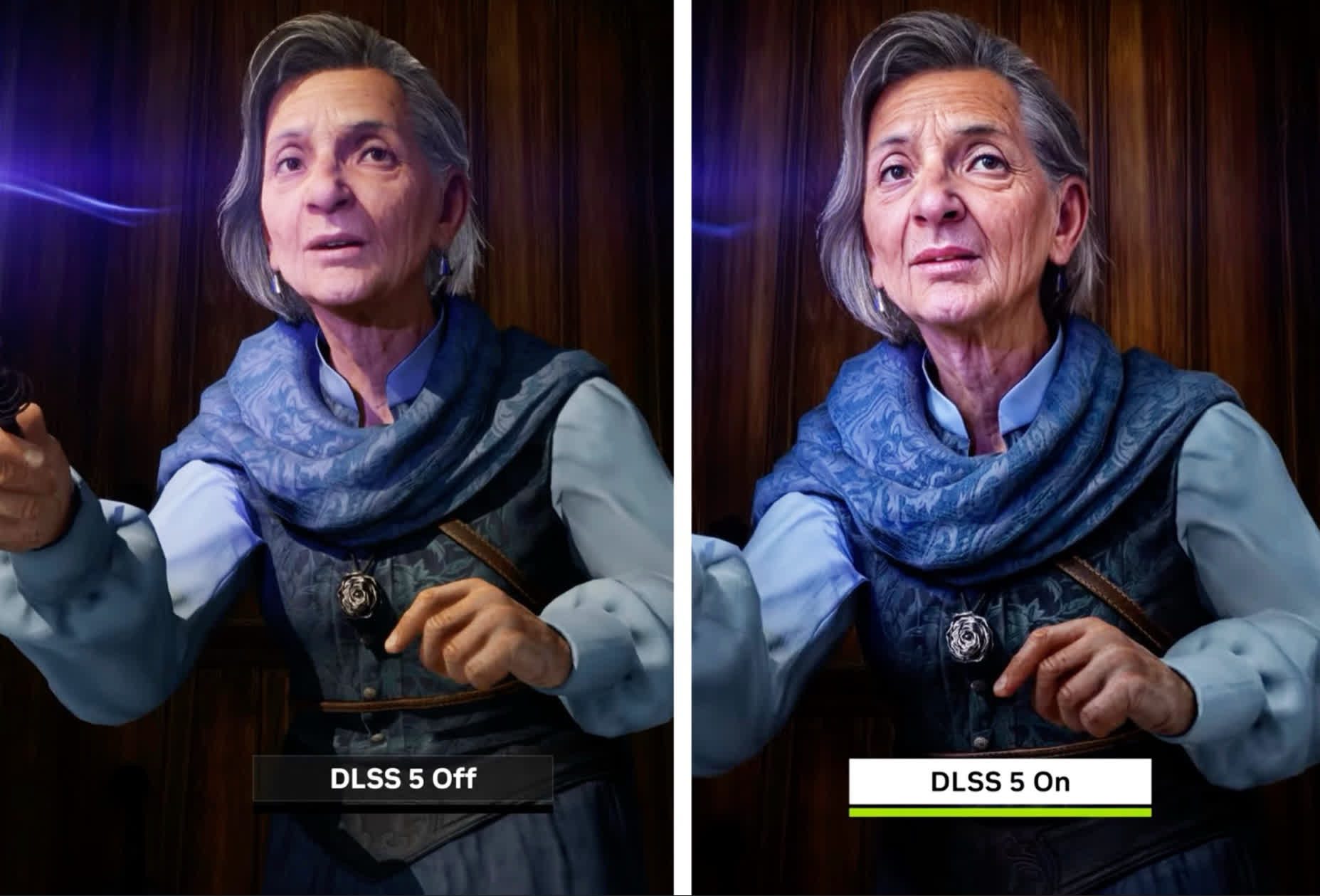
Big quote: Developers are no longer arguing about whether DLSS 5 is a good idea so much as what to do about it. While major studios like Capcom and Bethesda have publicly backed the generative upscaling tech, independent creators are treating it as a flashpoint in a wider fight over artistic control, hardware costs, and the creeping normalization of AI-driven graphics systems.
Nvidia says that DLSS 5, due later this year, is designed to sit on top of existing assets, taking a 2D frame plus motion vectors and inferring more photorealistic lighting and materials in real time. The company pitches it as a leap toward more lifelike visuals, but critics see it as an AI filter mimicking social-media aesthetics instead of reflecting what artists actually created.
"This is fundamentally changing the way video games look based on artificial intelligence that's been trained on Instagram models and Epstein memes," Dave Oshry, co-founder of indie publisher New Blood Interactive, told PC Gamer.
For Oshry, the concern is less about one feature toggle and more about a pattern of executives chasing cost savings and hype over craft. "We as developers and players need to push back against this bullshit just like we did with NFTs and crypto games and try in vain to do with predatory microtransactions, loot boxes and battle passes," he says.
DLSS 5 doesn't generate new assets, but its ability to repaint a frame has him asking why studios should invest in bespoke art pipelines if an AI layer can be dropped on top. "At this rate, why make game art at all? Why not just draw some shapes and colors and let AI generate what it thinks it should look like?" he says.
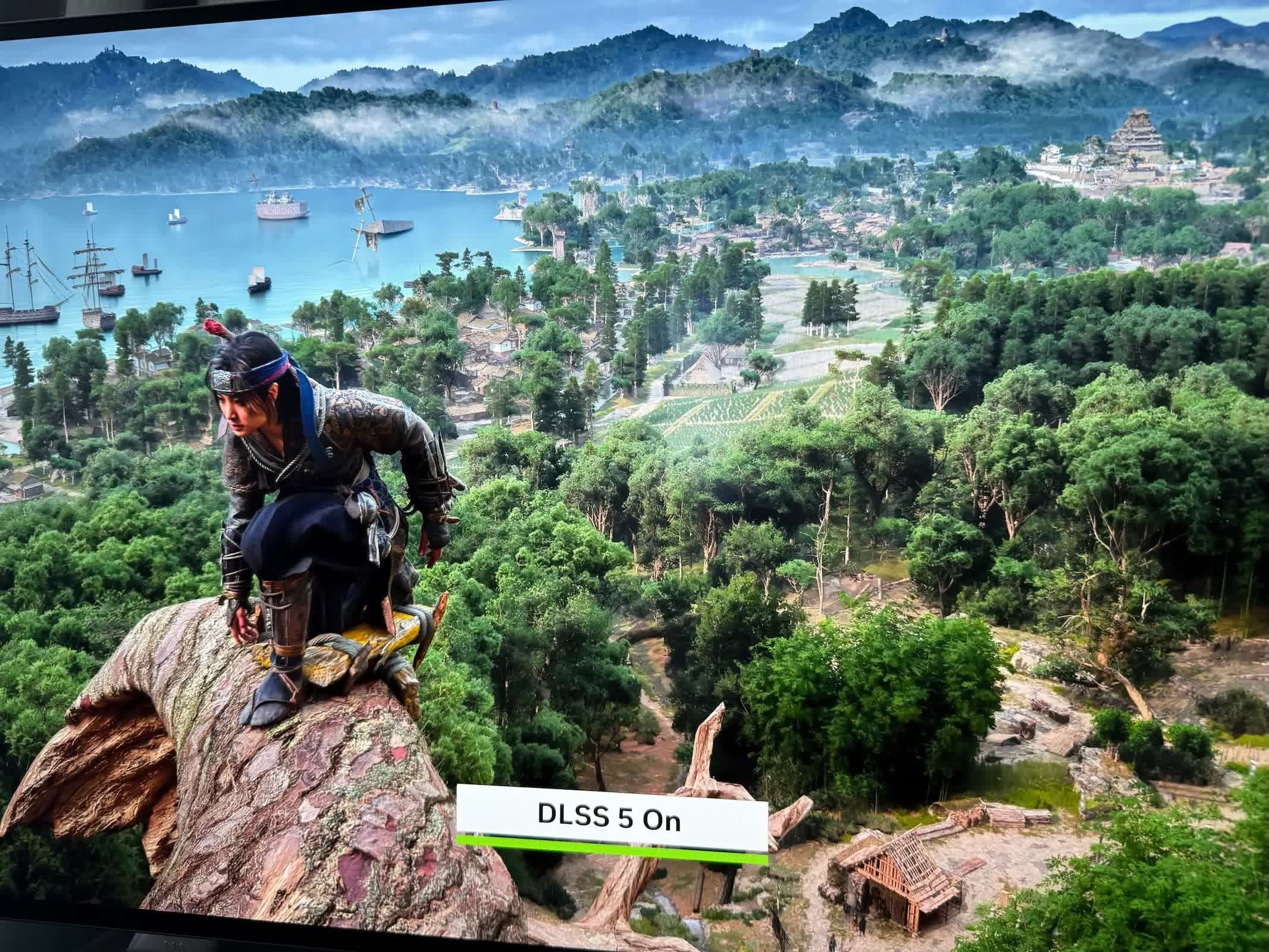
The hardware requirements in Nvidia's own demo have only sharpened that criticism. The showcase used two RTX 5090 cards, one to run the game and another to handle DLSS 5, with Nvidia later saying release builds will run on a single GPU. Oshry jokes that where players once had to hack together clumsy mods to get this kind of "cinematic" look, Nvidia is now offering a turnkey version that still effectively demands several thousand dollars' worth of hardware to use.
He also argues the most effective response now is economic: "The only thing we can do besides calling them out on it and making them feel bad is voting with our wallets. Cripple their sales, tank their stock price. Stop collaborating with them as developers. Then maybe they'll think about going back to giving us what we want."
Oshry stresses that New Blood itself is not tightly bound to Nvidia's roadmap. The studio focuses on retro-style shooters, and only Amid Evil shipped with DLSS and RTX support, which he said arguably made the game look worse and did not generate extra sales. However, he credits Nvidia for repeatedly pushing experimental features like 3D Vision, Shield, and PhysX.
Developer David Szymanski, known for Dusk, Iron Lung, and Gloomwood, backs Oshry's view and narrows in on what DLSS 5 does to the image itself. Even setting aside concerns about AI training data and art direction, he says the lighting and contrast it adds makes scenes look less realistic and believable.
Szymanski notes that it is particularly frustrating to see DLSS 5 showcased in Resident Evil: Requiem, a project he sees as a showcase of care and craft in big-budget game development, and that running characters like Grace and Leon through what he views as a "slop filter" turns the demo into a kind of victory lap that feels both dismissive and damaging to the underlying work.
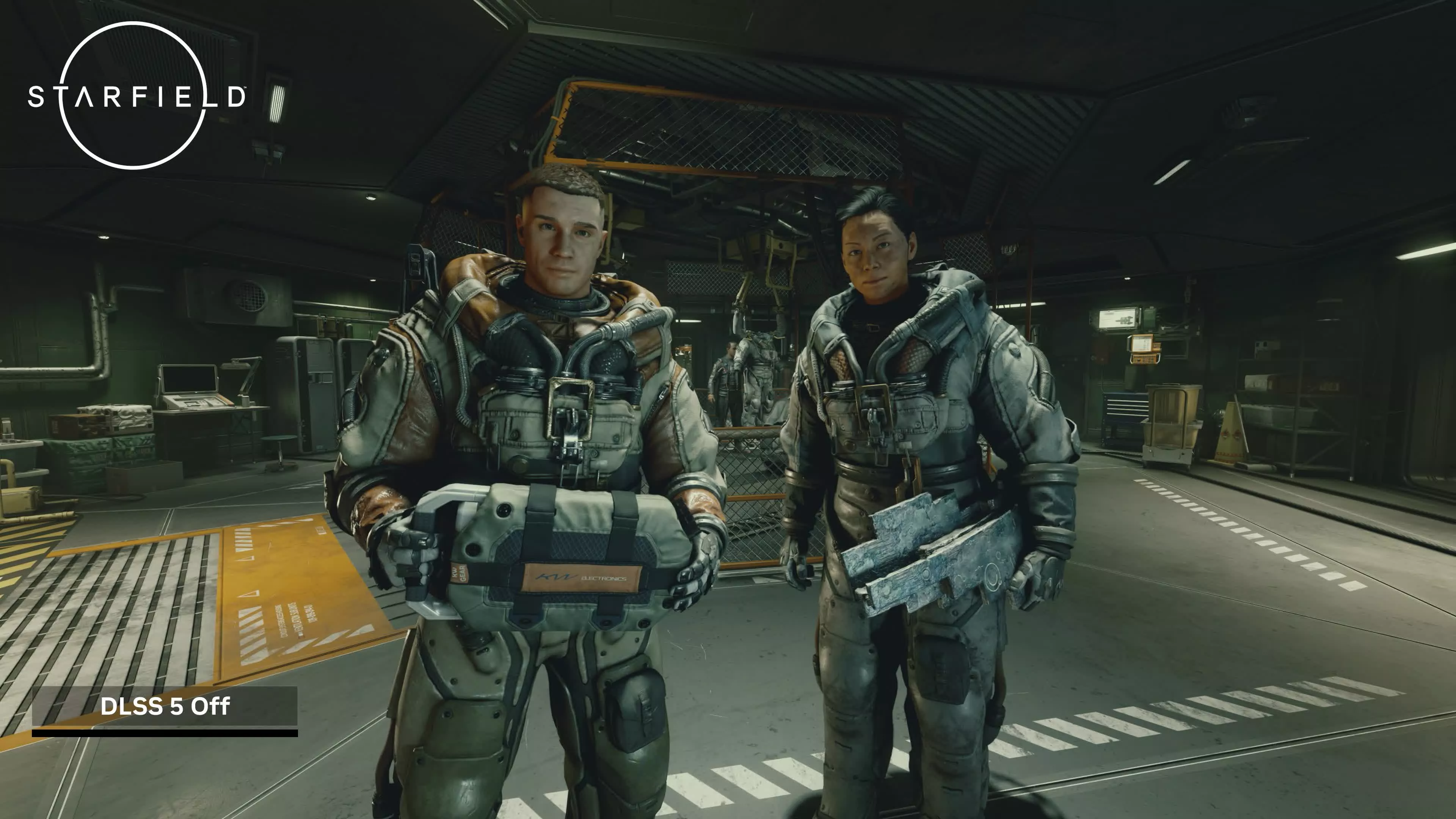
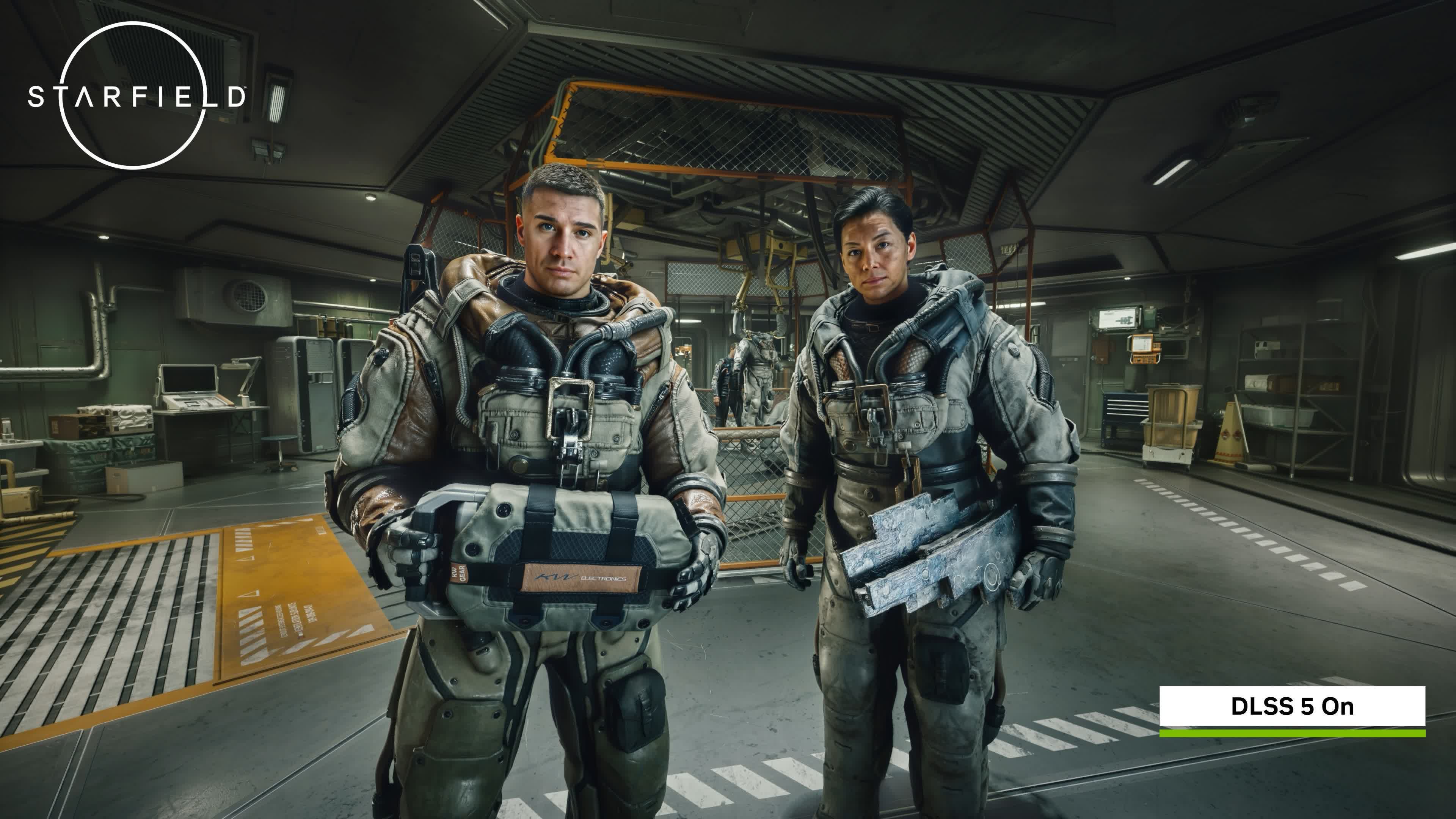
Szymanski also rejects the idea that DLSS 5's impact can be waved away because the feature is technically optional. In his view, once a technology is built into the assumptions of a AAA pipeline, toggling it off stops being a real choice. He argues DLSS, TAA, and ray tracing have delivered visual gains at the cost of clarity, accessibility, and playability, and remains unconvinced they solve problems that did not already have workable answers.
The pushback is far from universal. Jean Pierre Kellams, a lead producer at Epic Games, has called the belief that DLSS 5 looks bad or undermines art direction "absolutely insane," arguing that if the same footage had been presented as a next-gen hardware reveal rather than as AI, "you guys would be going nuts." Kellams believes that DLSS 5 actually improves how Grace Ashcroft looks in Resident Evil: Requiem, pointing to more convincing skin shading and finer detail in her lips.
Behind the technical debate, Szymanski sees a broader frustration with what he calls lateral movements in rendering that ask for ever-higher GPU budgets and deliver ambiguous benefits to players. He says that no one wants an AI system acting like autocorrect for visuals, overriding the work of human artists with a machine-generated pass.
In his view, players are looking for something much simpler: stable frame rates, clear resolution, strong art direction, and coherent lighting on reasonably priced hardware, without leaning on technology that makes the platform costs or environmental impact feel apocalyptic.
For now, neither Oshry nor Szymanski can say whether DLSS 5 will stick, but both argue that public criticism and consumer choices still matter. "I don't know if DLSS 5 is going to be here to stay or not, but it's heartening to at least see so many of us in agreement," Szymanski says. "Hopefully if we're all loud and insistent enough, and we throw the weight of our wallets around, companies like Nvidia will eventually get the message."
If that does not happen, he adds, DLSS 5 may simply become one more big-budget feature that indie and AA developers ignore as they continue building games with a wide range of visual styles that do not require thousands of dollars' worth of hardware to run.