
In brief: The meme that Macs are more stable and secure than Windows devices has lingered since at least Apple's famous "Get a Mac" advertising campaign from two decades ago. However, a recent study has backed up the popular belief with solid numbers, indicating that Windows devices crash more often, remain insecure for longer periods, and typically have shorter lifespans.
Omnissa's 2026 State of Digital Workspace report outlines the IT challenges that various organizations face from the growing use of AI and the heterogeneous deployment of enterprise devices. The relative instability of Windows and Android is a recurring theme throughout the report.
The company gathered telemetry from clients located across the globe in retail, healthcare, finance, education, government, and other sectors throughout 2025. The data suggests that IT administrators face frustrating security gaps due to inconsistent patching across a diverse mosaic of devices and operating systems.

Employee workflow disruption, often due to software issues, is one area of concern. The report found that Windows devices were forced to shut down 3.1 times more often than Macs. Windows programs also froze 7.5 times more often than macOS apps and needed to be restarted more than twice as often.
Certain industries were also alarmingly lax in securing Windows and Android devices. More than half of Windows and Android devices in healthcare and pharma were five major operating system updates behind, likely leaving them more vulnerable to errors and malware. More than half of the desktops and mobile devices used for education were also unencrypted, putting students' privacy at risk.
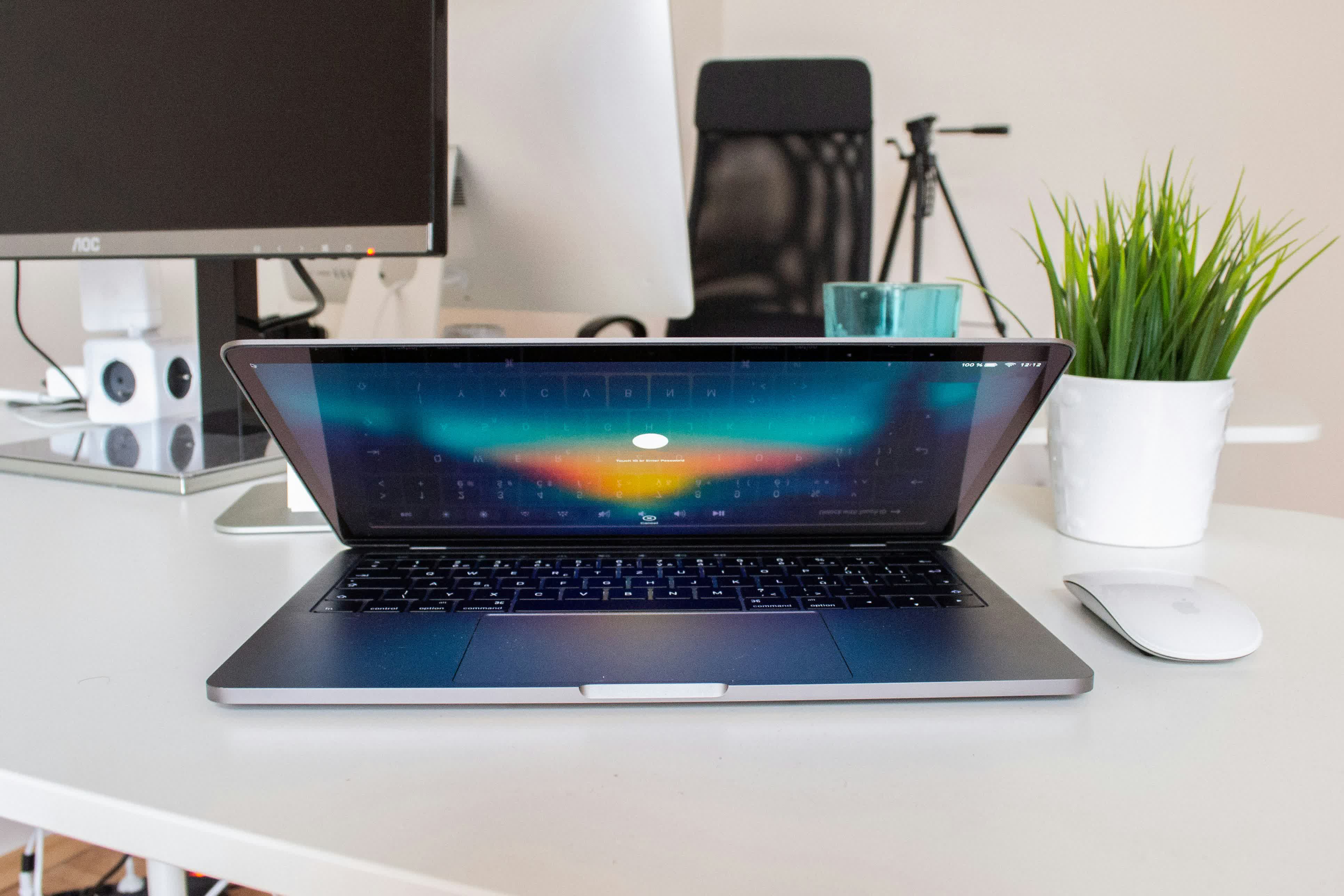
Macs also last longer, being replaced every five years on average, compared to every three years for Windows PCs. Despite a recent backlash against Windows, driven by a push for digital sovereignty in countries such as Germany, Windows use on government devices actually doubled last year. Meanwhile, Macs using Apple's M-series chips showcase a significant thermal advantage, with an average temperature of 40.1 degrees Celsius, while Intel processors run at 65.2 degrees.
Another worrying issue is that employees are adopting AI faster than employers can keep up. Across most operating systems, AI use grew by nearly 1,000%, driven by employer-sanctioned tools and user-installed apps. Aggressive adoption of Gemini and ChatGPT without IT managers' knowledge likely complicates efforts to keep enterprises secure.