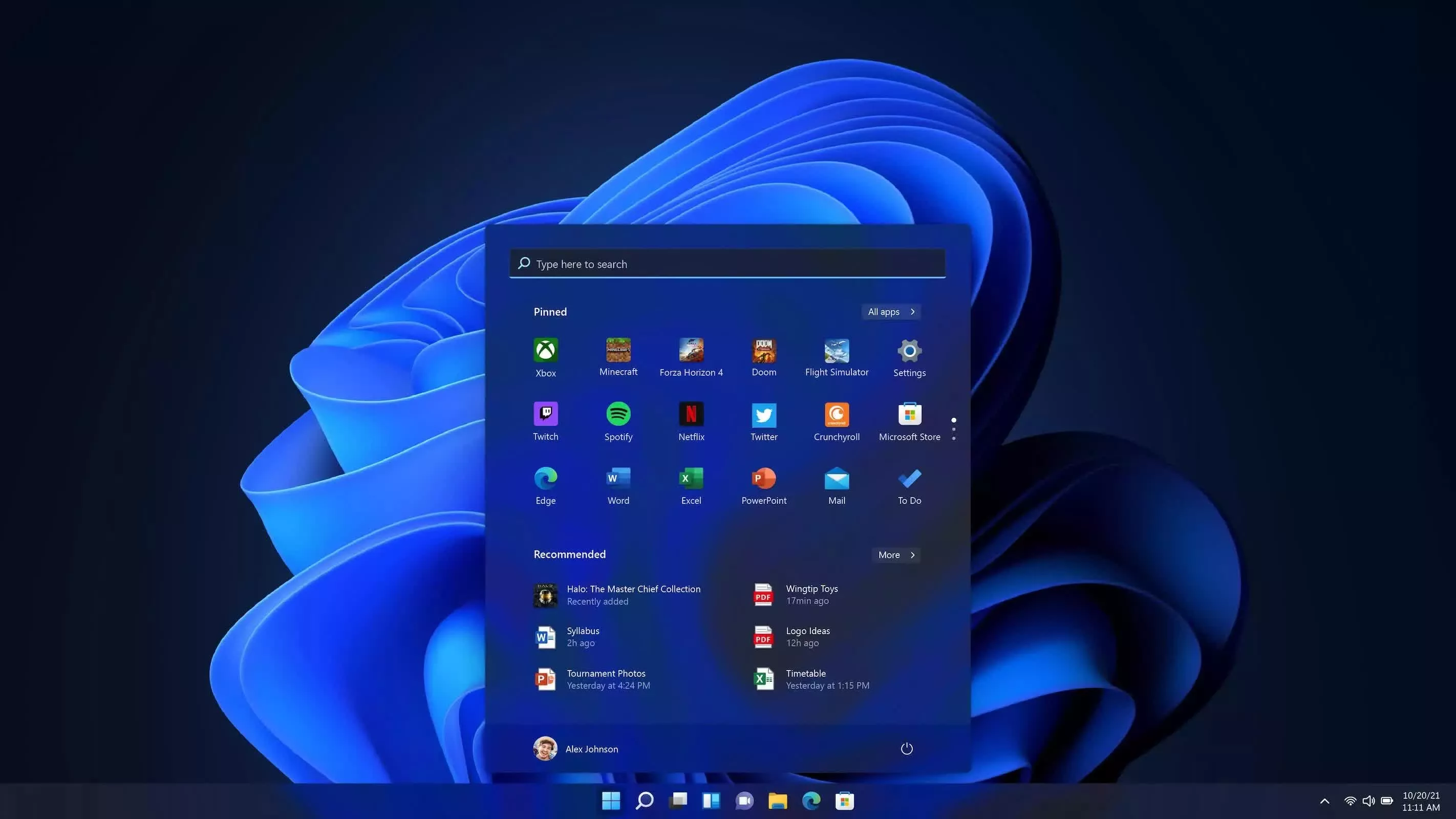
First look: Microsoft plans to build 100% native apps for Windows 11 and launch an initiative centered on a new team focused on native experiences instead of web-based wrappers. The company has also created a new team to lead the work, following years in which many core and third-party Windows apps have relied heavily on web technologies.
Rudy Huyn, a Partner Architect at Microsoft working on the Store and File Explorer, said in a post on X that he is building a new team to work on Windows apps. "You don't need prior experience with the platform.. what matters most is strong product thinking and a deep focus on the customer," he wrote. "If you've built great apps on any platform and care about crafting meaningful user experiences, I'd love to hear from you."
Huyn later said in a reply that the new Windows 11 apps will be "100% native." The description stands out at a time when many of Microsoft's built-in tools, including Clipchamp and Copilot, rely on web technologies and Progressive Web App architectures. The company's commitment to native performance suggests that some long-standing frustrations around responsiveness, memory use, and interface consistency could finally be addressed.
– Rudy Huyn (@RudyHuyn) March 26, 2026
For Windows developers, Huyn's comments hint at a change in direction. Microsoft's recent development priorities have leaned heavily on web-based approaches, with Progressive Web Apps (PWAs) replacing or supplementing many native programs.
That shift has not always been popular with users. The Windows 11 version of WhatsApp, for instance, dropped its native WinUI framework in favor of a slower, Chromium-based wrapper – a decision that drew criticism from users who preferred the faster native alternative.
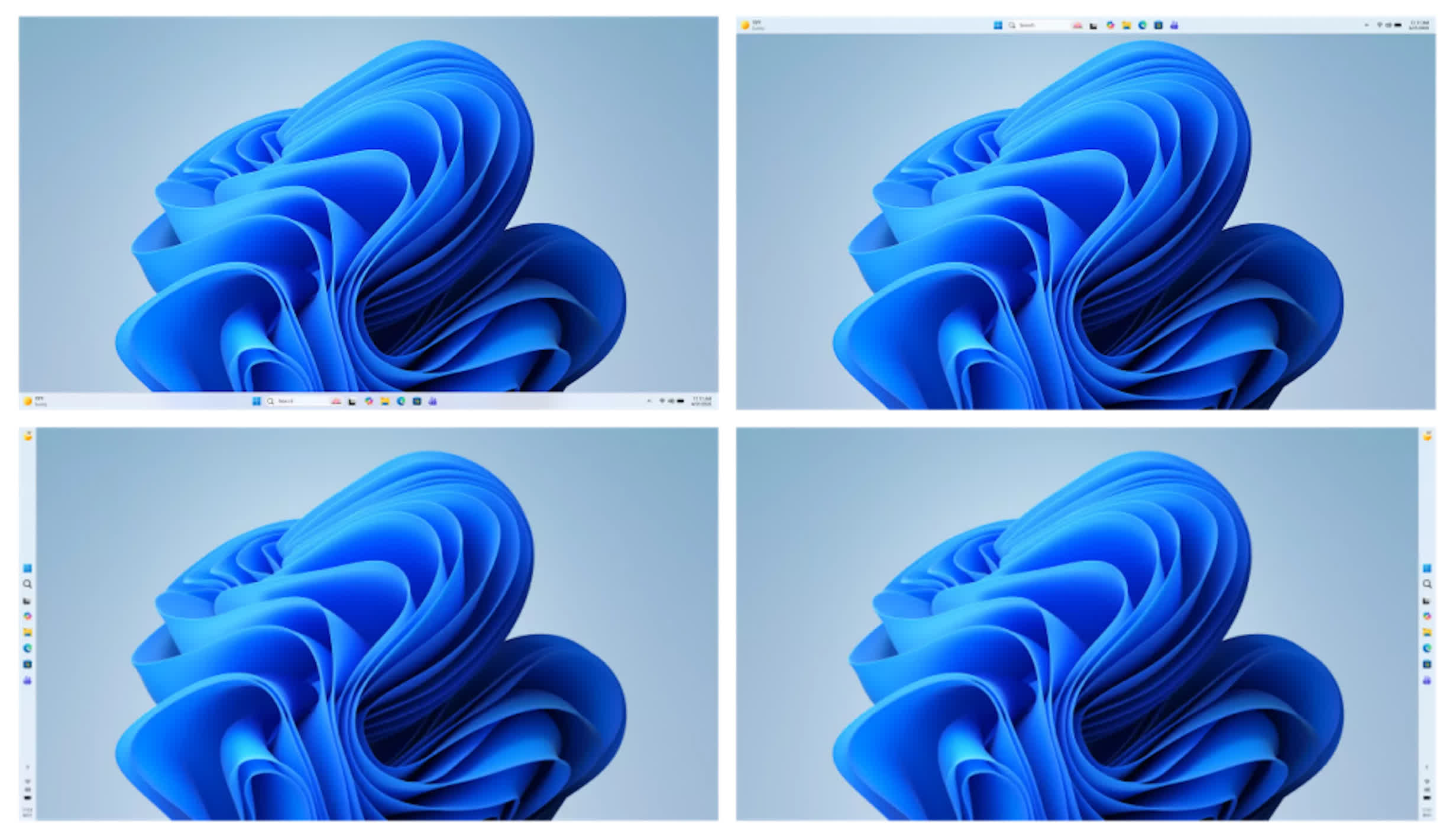
The new team emerges as Microsoft prepares a significant Windows 11 update to improve core system performance and user interface responsiveness. The company says the update will reduce File Explorer launch times, make context menus load faster, and transition the Start menu to the WinUI interface. It will also introduce more flexible taskbar customization, including the ability to resize and reposition it, and a "compact layout" reminiscent of Windows 10.
A pledge to rebuild apps natively appears to complement these broader interface and performance goals. For Microsoft, it could mark the beginning of a more cohesive strategy to make Windows 11 feel modern yet responsive after years of iterative design changes and user complaints.
– Rudy Huyn (@RudyHuyn) March 27, 2026
Back in 2020, then-Windows chief Panos Panay famously said the company wanted users to "love Windows, not just need it." Those ambitions yielded little visible change before Panay's departure. Six years later, Microsoft's new Windows leadership seems intent on turning that sentiment into action.
Exactly which applications will be rebuilt, or how strictly "100% native" will be enforced, remains unclear. Some current Microsoft apps classified as native still depend on WebView for specific features. But the renewed emphasis already has developers paying attention.