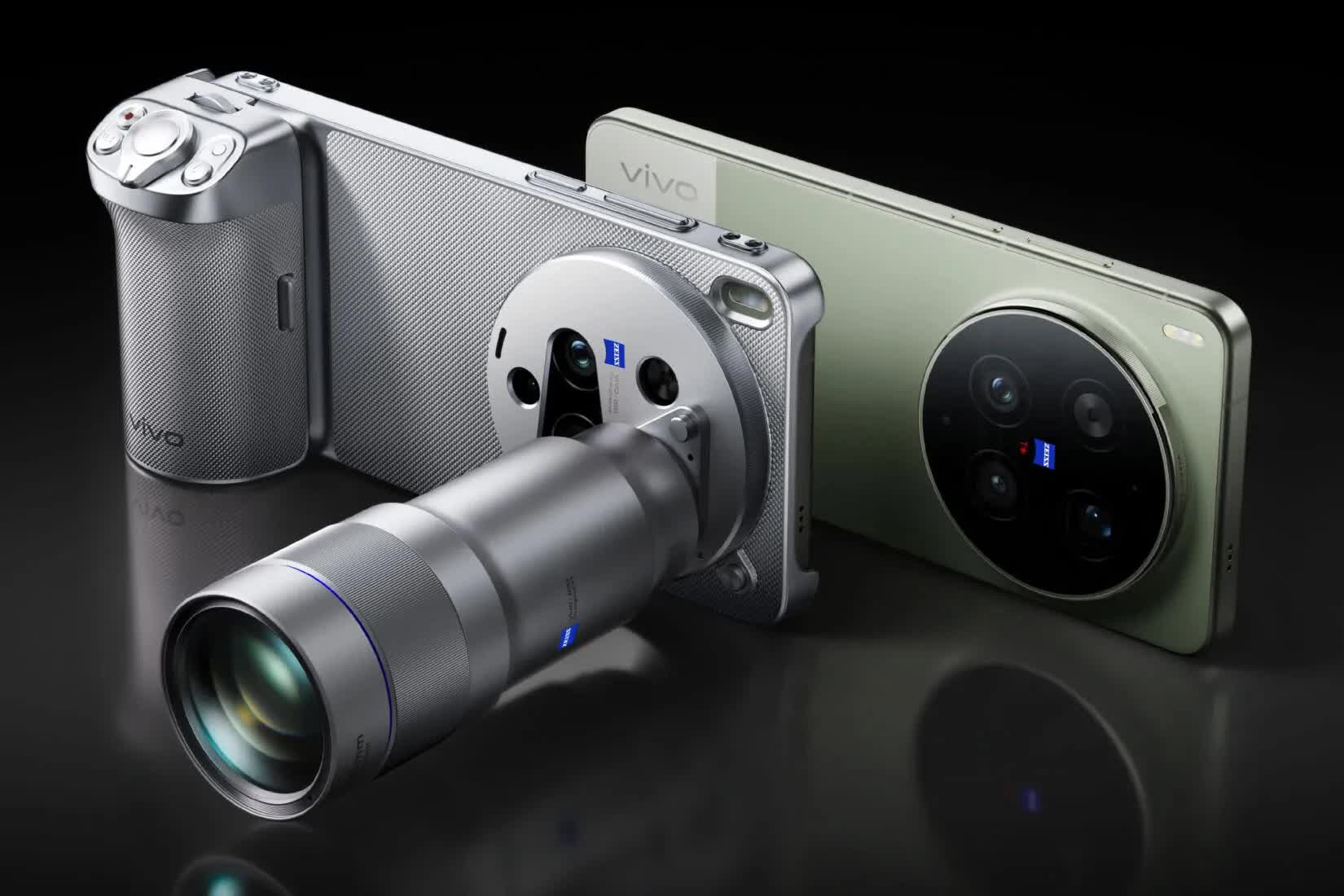
In a nutshell: Personal cameras are one of several devices that smartphones are said to have killed, but DSLRs remain popular among photography enthusiasts. But with Vivo's X300 Ultra, the company has made a phone that could entice some users to ditch their pro-level cameras.
Vivo has launched the X300 Ultra in China as a device built heavily around advanced imaging hardware, continuing a trend in which smartphone makers are trying to push deeper into territory once dominated by DSLR and mirrorless cameras.

While the earlier X300 and X300 Pro already focused on strong camera credentials, the X300 Ultra goes further with external telephoto lenses, cinema-grade video tools, and accessories designed to make the phone feel more like a dedicated camera system.
At the center of the pitch is Vivo's Zeiss-branded camera setup, which focuses on traditional photography focal lengths.
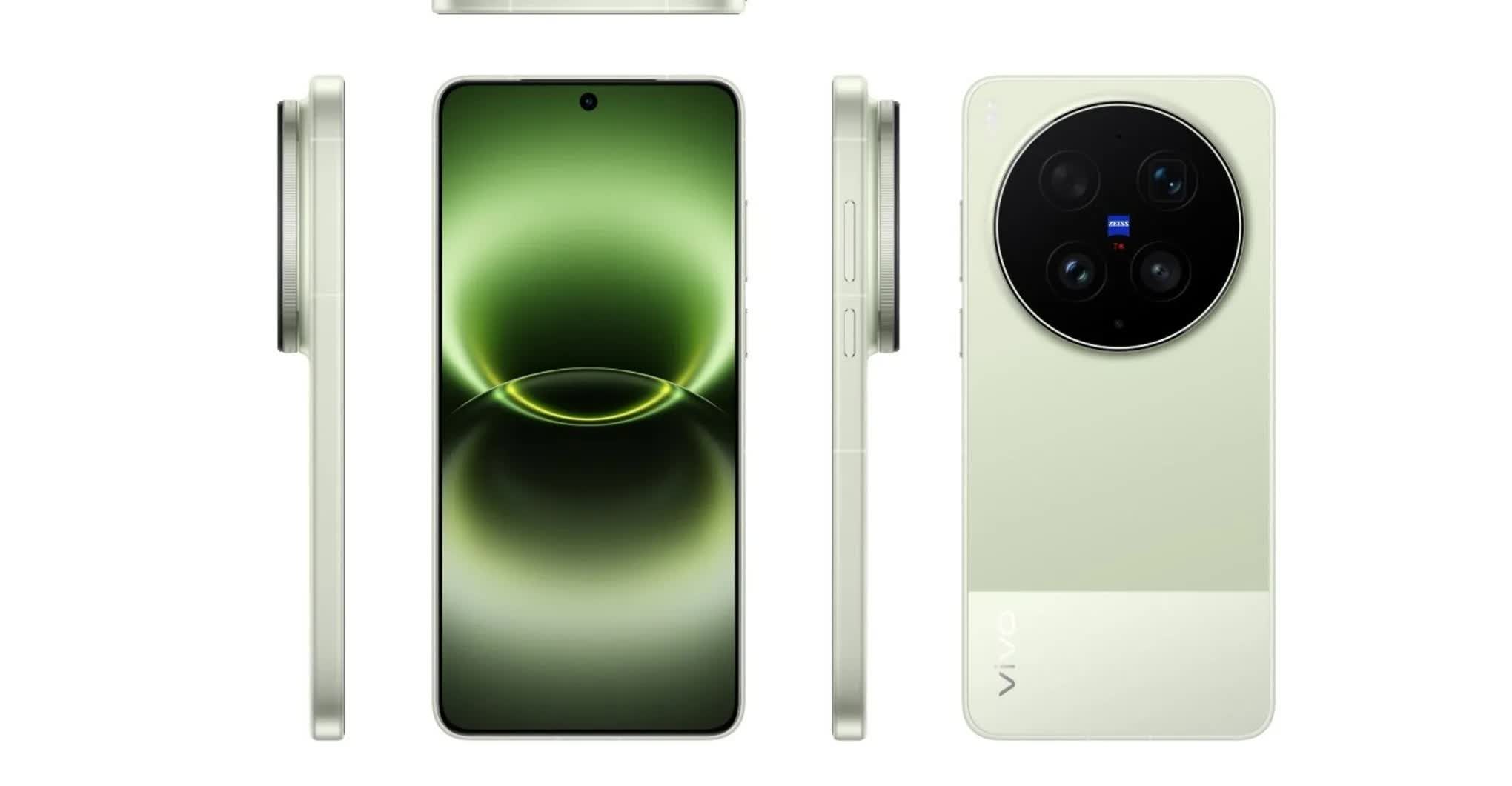
The rear array covers 14mm ultra-wide, 35mm standard, and 85mm telephoto shooting, giving users a range that mirrors the lens combinations many photographers already carry.
The primary 35mm camera uses Sony's LYTIA 901 sensor, while the 85mm telephoto pairs with Samsung's 200-megapixel HP0 sensor and stabilization hardware intended to improve handheld zoom shots.
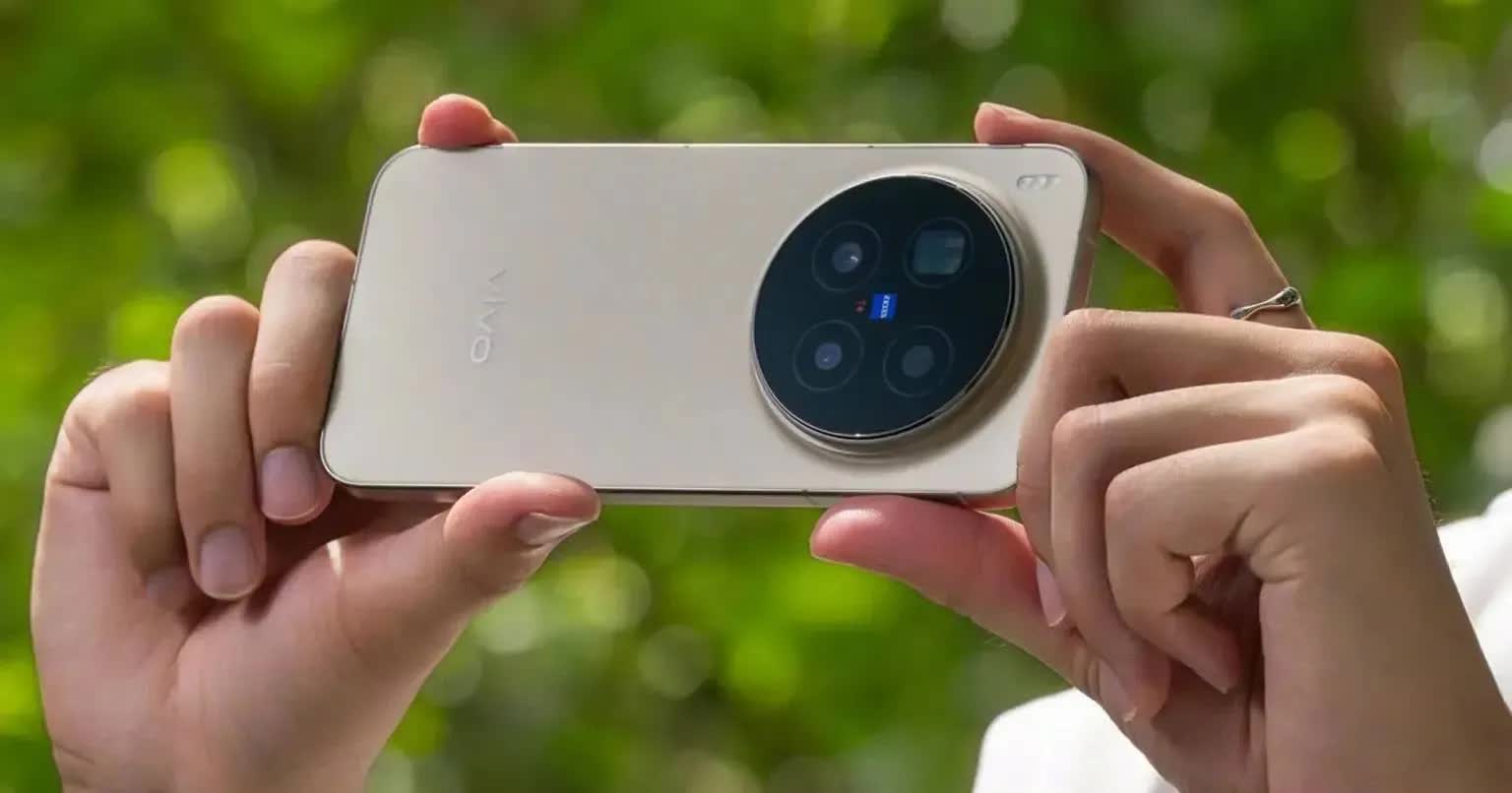
Vivo is also touting optical image stabilization across all focal lengths, helping the phone tackle one of the biggest weaknesses of smartphone photography: keeping long-range shots steady without leaning too heavily on digital zoom.
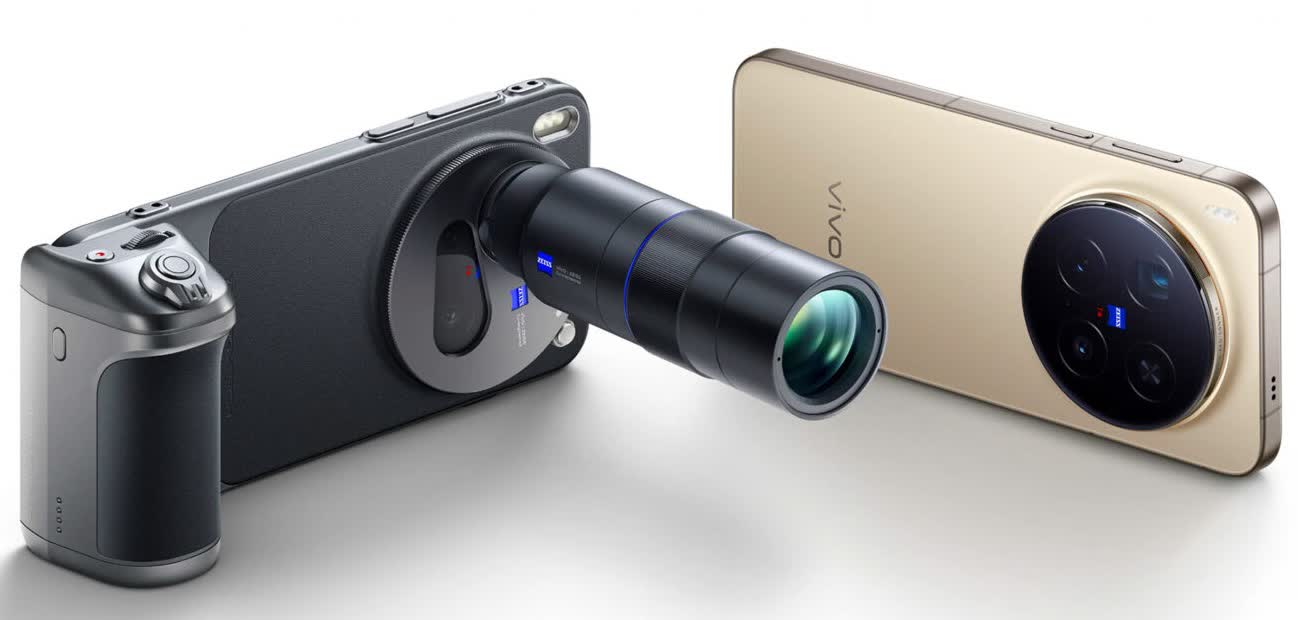
What really pushes the DSLR comparison is the optional hardware. Vivo is offering telephoto extender lenses that take the focal range to around 200mm and 400mm equivalents, opening the door to the kind of wildlife and sports photography scenarios that usually demand bulky interchangeable lenses. There is also a Photographer Kit with a camera cage and physical controls.
Video is another major focus. The X300 Ultra supports 4K recording at 120fps in 10-bit Log, giving editors more room for color grading and post-production work.
Vivo also says the phone supports ACES workflows, allowing footage captured on the device to fit more easily into professional film-production pipelines.
Other features include a Snapdragon 8 Elite Gen 5 and a 6,600mAh battery with 100W wired and 40W wireless charging. Configurations range from 12GB RAM with 256GB storage to 16GB RAM with 1TB storage.
The X300 Ultra is available in China in configurations ranging from 12GB of RAM and 256GB of storage up to 16GB and 1TB. Vivo has also confirmed that the handset will receive a global release, though exact markets, pricing, and timing have yet to be announced.