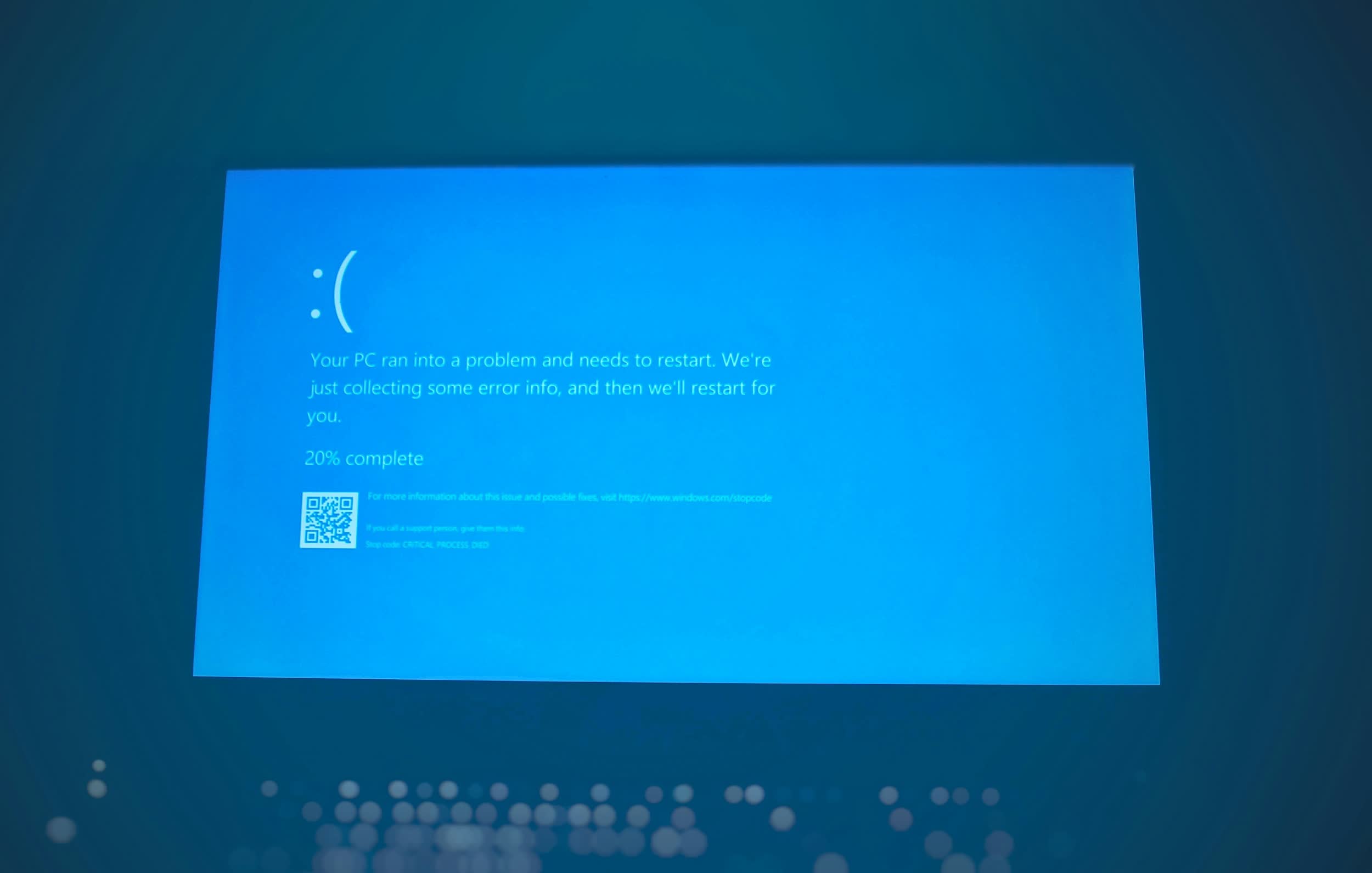
Facepalm: Microsoft has temporarily halted the rollout of KB5079391, a Windows 11 update intended to deliver important changes to the operating system. Soon after receiving the update, users began encountering issues while trying to install the sizable patch. The paused rollout suggests that a significant number of customers are affected, a concerning sign for Microsoft's broader strategy to improve the Windows 11 experience.
According to the official KB5079391 change log, the rollout was paused because users are seeing an "error 0x80073712" message during installation. Microsoft explains that this error occurs when files are missing or corrupted, preventing the update from completing successfully.
In short, Microsoft released its latest non-security update in an incomplete or corrupted state, potentially disrupting Windows 11 for a large number of users. While the installation process appears to be fundamentally broken, some users have reported successfully downloading and installing the update on their systems.

KB5079391 introduces a long list of changes and improvements across many Windows 11 components. The update adds support for monitors with refresh rates above 1000Hz, an enhanced File Explorer experience, a redesigned Settings page, and much more. Additionally, the patch brings new AI-related features to both Copilot+ PCs and traditional Windows 11 machines.
The features and improvements in KB5079391 are expected to become part of the standard Windows experience, and Microsoft is likely to fix the installation issues affecting the update. What seems less likely to change anytime soon is Microsoft's ongoing struggle to address all the problems affecting the Windows 11 platform.
The company recently stated that Windows 11 is undergoing a major overhaul, in response to the growing number of complaints from both enterprise and home users. This effort appears to focus on building native applications rather than relying on heavy and unreliable web wrappers. However, as the KB5079391 rollout demonstrates, Redmond will need to do far more than eliminate wrappers to prevent users from jokingly referring to Windows – or other Microsoft software – as "Microslop."
Image credit: Joshua Hoehne