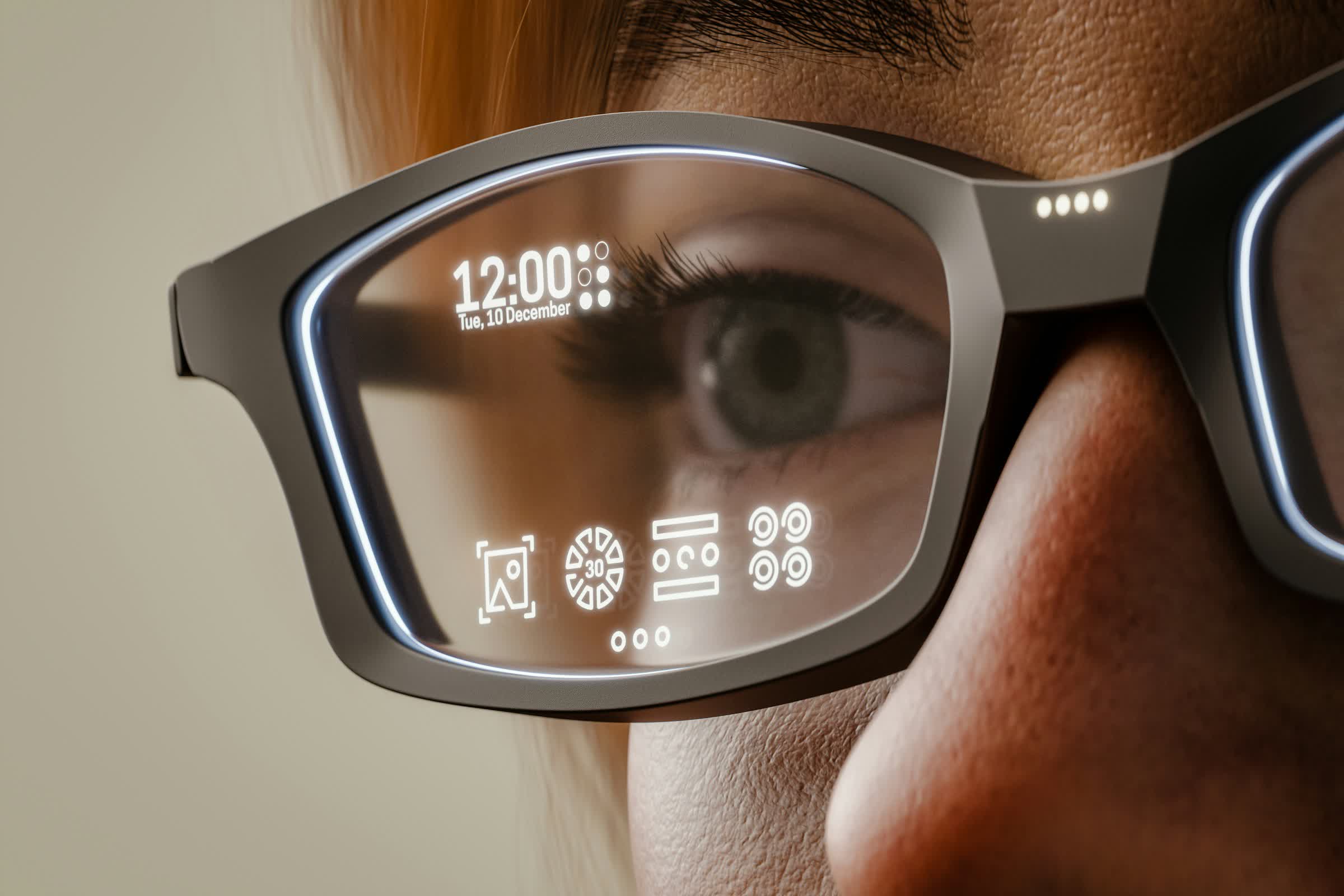
Bottom line: On Chinese social media and secondhand platforms, a quiet rental industry has emerged – not for luxury bags or electronics, but for AI-powered smart glasses. The devices, marketed as digital assistants, are becoming tools for students seeking academic shortcuts. Some borrowers use them to scan test questions and receive real-time answers during exams.
Vivian, a university student in Hebei province who requested a pseudonym to speak freely to Rest of World, said her Rokid glasses help her pass difficult subjects. "Any subject that I may fail at," she said. The glasses can read text from her exam paper and project answers directly onto the lens. She admits some classmates have paid to rent her device for their own tests, even though major national exams in China explicitly ban such technology.
The scope of the phenomenon extends beyond individual exchanges. On Xianyu, a major secondhand marketplace, merchants openly advertise rentals of AI glasses for 40 to 80 yuan ($6 to $12) per day. One of them, Shenzhen-based entrepreneur Ke Changsi, said he has rented out Rokid and Quark glasses to more than 1,000 people in the last four months.
His customers, he said, range from travelers who use the glasses to translate signs abroad to students looking for an edge. "The prices range from 40 yuan to 80 yuan ($6 to $12) a day, depending on the model," he said.
Ke's online posts on Xiaohongshu, a lifestyle platform, highlight how the glasses can solve English and math questions with a discreet hand remote that looks like a ring. While such advertising draws attention from curious consumers, it has also reignited debate over the growing misuse of AI tools in education.
Despite official restrictions, enforcement remains limited. Smart glasses often resemble ordinary eyewear, making them difficult for teachers to detect. At elite universities, students are testing the boundaries. Researchers at the Hong Kong University of Science and Technology recently demonstrated how easily such devices can integrate with large language models.
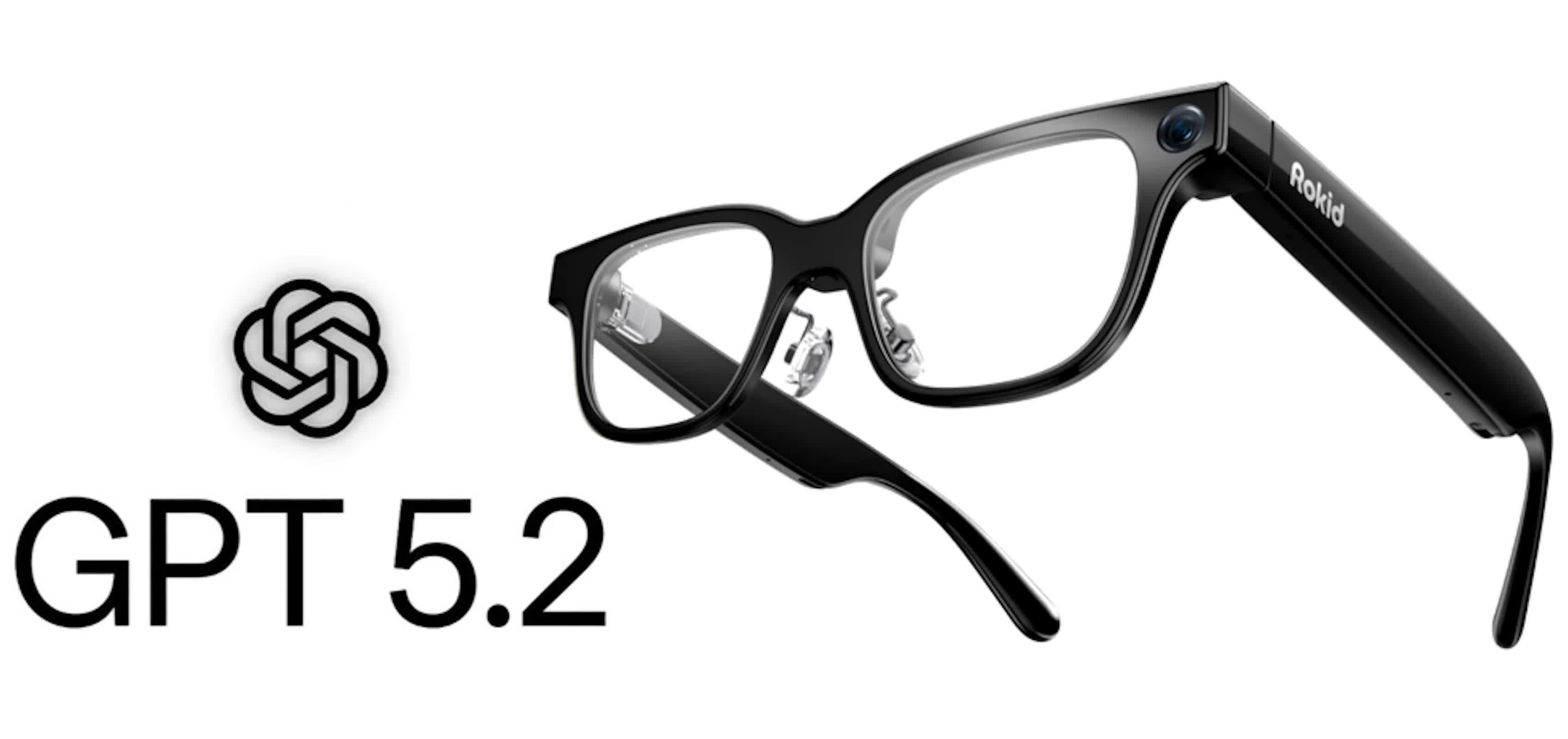
After connecting Rokid glasses to ChatGPT 5.2, a participant wearing them ranked among the top five in a class of more than 100 students. Zili Meng, an assistant professor involved in the study, said that his team is developing systems to help teachers spot the devices. "To broaden the use cases of AI glasses, the industry needs a shared architecture for developers to build more innovative applications," he added.
The widespread interest isn't limited to academia. China's domestic market for AI-enabled eyewear is expanding rapidly. Consultancy IDC reported that 2.5 million pairs were shipped in 2025, accounting for 16.7% of global shipments. Devices from Xiaomi, Alibaba, and Li Auto promise features like real-time translation, immersive movie playback, and meal tracking, while the government has added smart glasses to a national subsidy program offering buyers a 15% discount, capped at 500 yuan ($73).
Even so, technical and practical issues continue to slow full adoption. Smart glasses often feel heavy, warm, and short-lived on battery power. Liu Zhigang, a university student in Zhejiang province who paid 3,300 yuan ($465) for a pair last summer, quickly grew disillusioned. He said he rarely wears them now because they heat up and drain after a few hours. "The functions can be easily done by a smartphone," he said.
As devices become more powerful, questions about fairness and privacy are harder to ignore. Stickers that obscure the recording light of cameras are sold online, letting users capture footage unnoticed. For now, the devices may still be a niche novelty – but in China's competitive academic culture, their appeal as a secret study companion shows no sign of fading.