
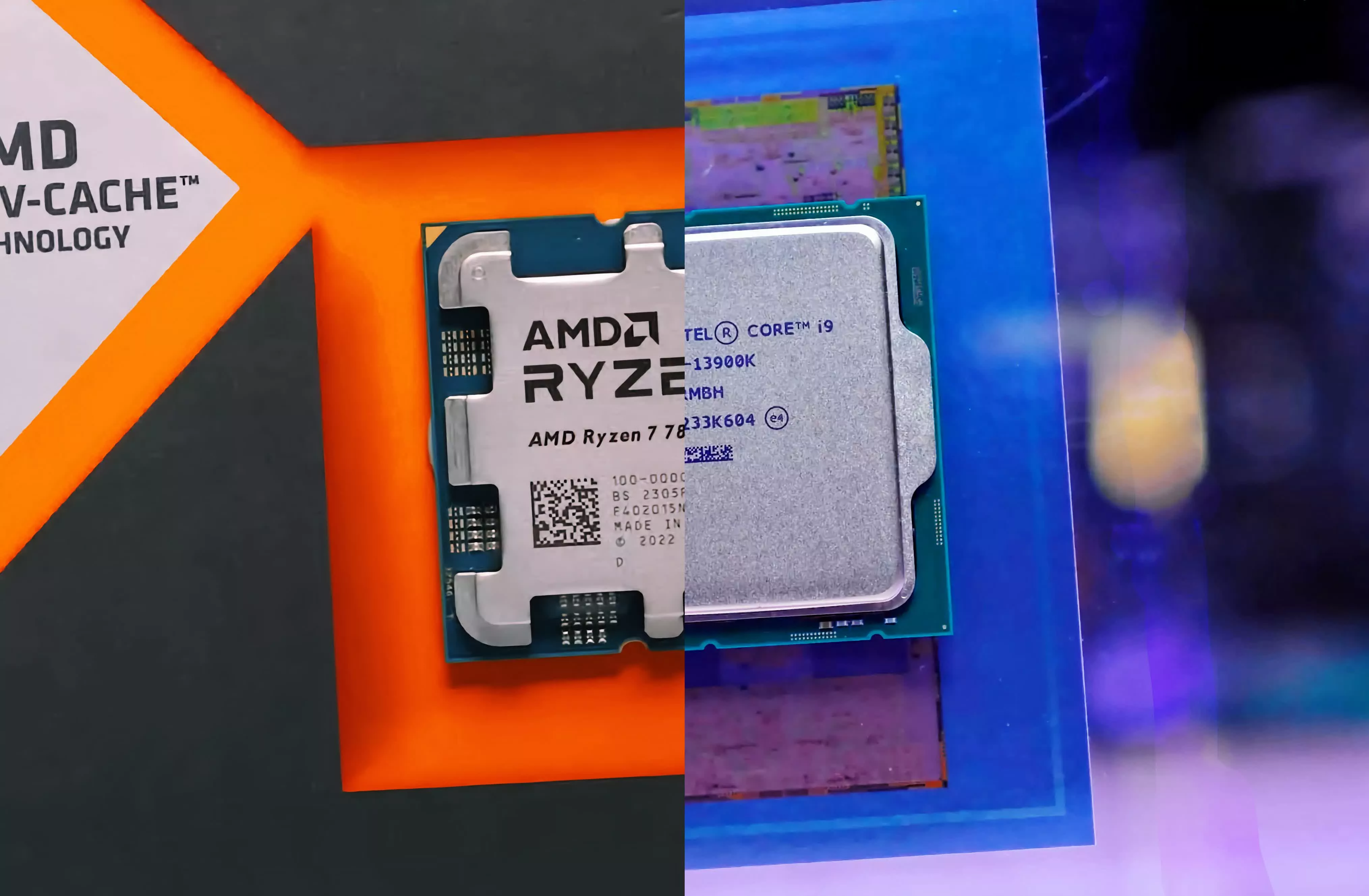
WTF?! In a move that feels less like a corporate transaction and more like the final punchline to a 40-year industry rivalry, AMD announced Wednesday that it has agreed to acquire Intel, the company it has spent decades chasing, imitating, undercutting, suing, licensing from, and lately outperforming.
The all-stock transaction, which AMD described as a "once-in-a-generation opportunity to unify x86 innovation," would combine the two companies under a single umbrella just a few years after such an outcome would have sounded ridiculous.
For most of modern computing history, Intel was the empire and AMD the scrappy survivor, the perpetual second source that somehow kept finding ways to stay alive. Now, after a bruising run of manufacturing delays, product stumbles, strategic resets, and a historic reversal in investor confidence, Intel is poised to be absorbed by the smaller company it long treated as a footnote.
If completed, the acquisition would instantly create the most awkward family reunion in semiconductor history.
The practical questions are obvious. What happens to the Intel brand? Will future chips be marketed as Ryzen Core Ultra?
AMD Chief Executive Lisa Su, in a statement notable for its restraint, said the merger would allow the combined company to "accelerate roadmaps, simplify the customer experience, and preserve healthy internal competition somehow." Intel, for its part, said the deal would help unlock shareholder value while giving its engineering teams "the focus and support needed to build world-class products again, this time with fewer org charts."
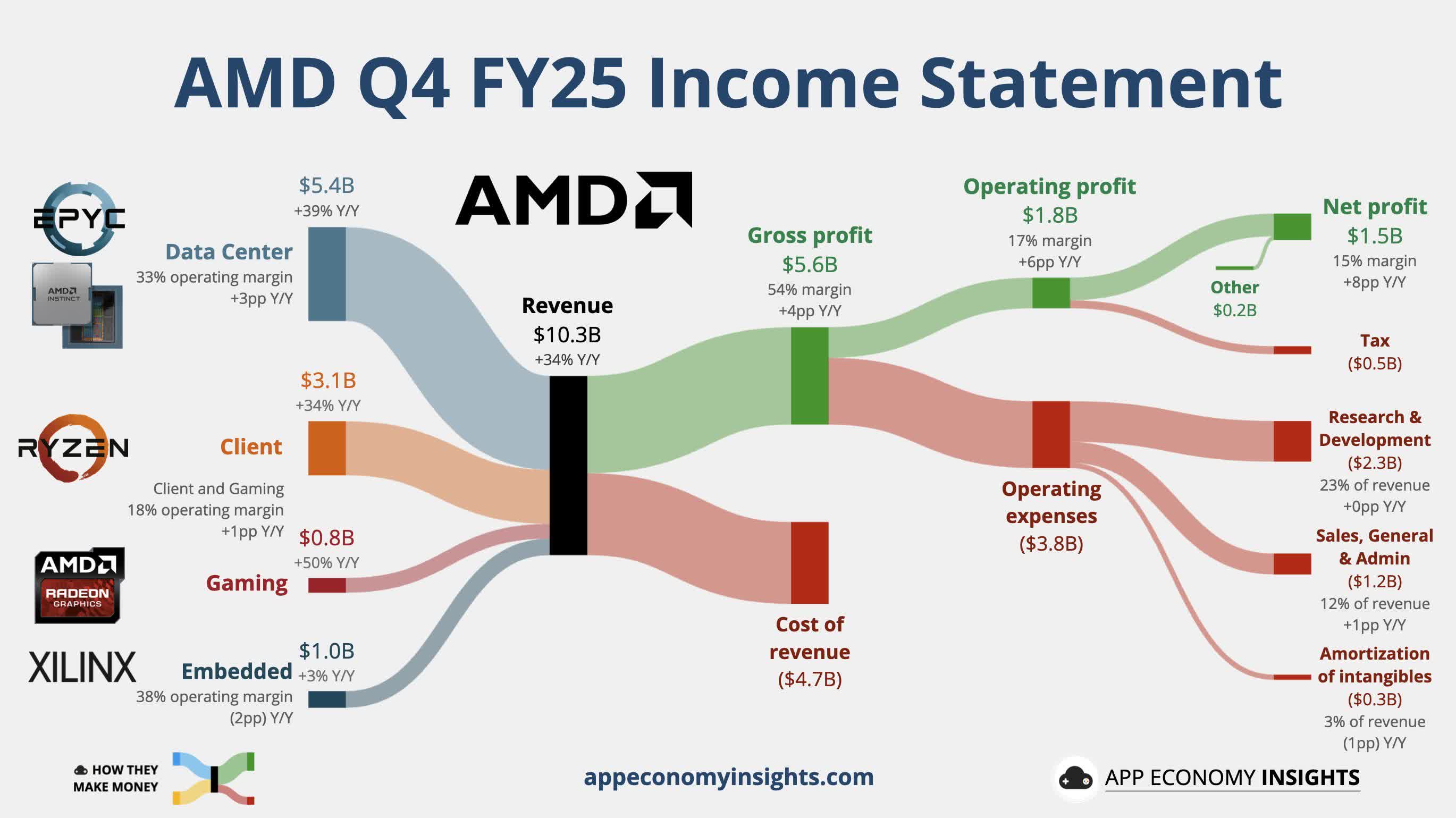
Industry analysts were still trying to process the symbolism. For years, Intel's scale, fabs, and market dominance made it the gravitational center of the PC industry. AMD's role was to apply pressure at the edges, occasionally seize momentum, and remind the market that complacency had a cost. That script flipped over the last several years as AMD found new strength in servers, desktops, notebooks, and investor perception, while Intel's turnaround remained expensive, incomplete, and often one quarter away.
The practical questions are obvious. What happens to the Intel brand? Will future chips be marketed as Ryzen Core Ultra? Will antitrust regulators permit one company to control both sides of the x86 blood feud? And perhaps most urgently, who gets custody of the blue logo?
People briefed on the matter said AMD is considering a holding structure that would preserve both brands, at least initially. One internal concept reportedly describes Intel as a "heritage performance division," a phrase that sounds charitable and devastating in equal measure.
Wall Street welcomed the news with disbelief, meme creation, and cautious optimism that the combined company could finally end the era of x86 civil war by turning it into a monopoly with legacy compatibility.
At press time, the companies said the deal was expected to close shortly after the industry finished checking the calendar.