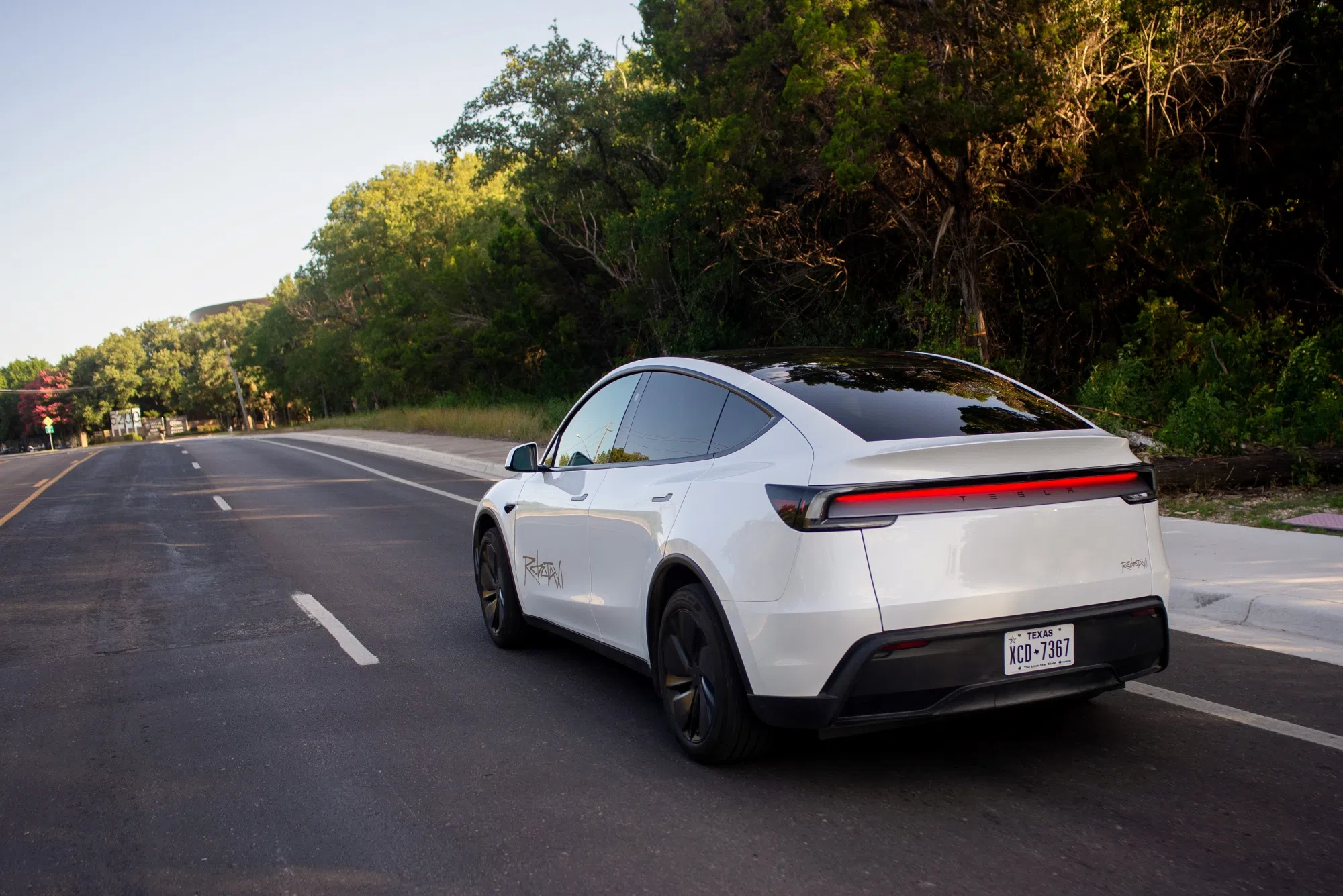
A hot potato: Tesla has admitted that its robotaxis are not always as autonomous as the name implies. In a letter to Senator Ed Markey, the company said human operators can, in rare cases, remotely take direct control of its vehicles. This sets Tesla apart from rivals that insist their support staff only advise the driving system, not actually drive the cars.
The revelation comes from a March 26 response to Markey's investigation into how autonomous vehicle companies use remote assistance operators.
Tesla wrote that while its vehicles are not remotely driven under normal conditions, operators are allowed to "temporarily assume direct vehicle control" as a last-resort escalation step after other interventions have failed.
According to the letter, these operators can only take temporary control at 2 mph or less. If the automated driving system grants direct access, the maximum speed is capped at 10 mph.
Waymo, which has also come under scrutiny over its use of remote assistance workers, says its personnel provide advice and support but do not directly control, steer, or drive the vehicle.
It was reported in February that Waymo has about 70 remote assistance agents on duty at any given time, with centers in the US and the Philippines. Tesla, by contrast, says all of its remote operators are in-house employees based in Austin, Texas, and Palo Alto, California.
This is another reminder that robotaxis still involve plenty of humans behind the scenes. Tesla launched its Austin ride-hailing service in June 2025, and most of the roughly 50 robotaxis currently operating still have human safety operators sitting in the front passenger seat, ready to intervene if needed.
Markey is not impressed. In a report released Tuesday, the senator said every company he contacted refused to disclose how often remote operators intervene, calling it a major transparency problem.
He has urged NHTSA to investigate the industry's remote assistance practices and says he is working on legislation that would create rules around operator qualifications, latency, overseas staffing, and reporting requirements.
Tesla's robotaxis may be able to drive themselves much of the time, but the company has essentially confirmed that, when things get tricky enough, a human can still grab the wheel, just from a desk instead of the driver's seat.