
In a nutshell: The ongoing AI boom has already inflated the cost of memory, storage, and processors, with effects spilling over to electronics incorporating those components. The impact of AI data center expansion is not expected to subside anytime soon, and to make matters worse, the conflict between the US and Iran threatens to worsen supply chain disruptions while creating new ones.
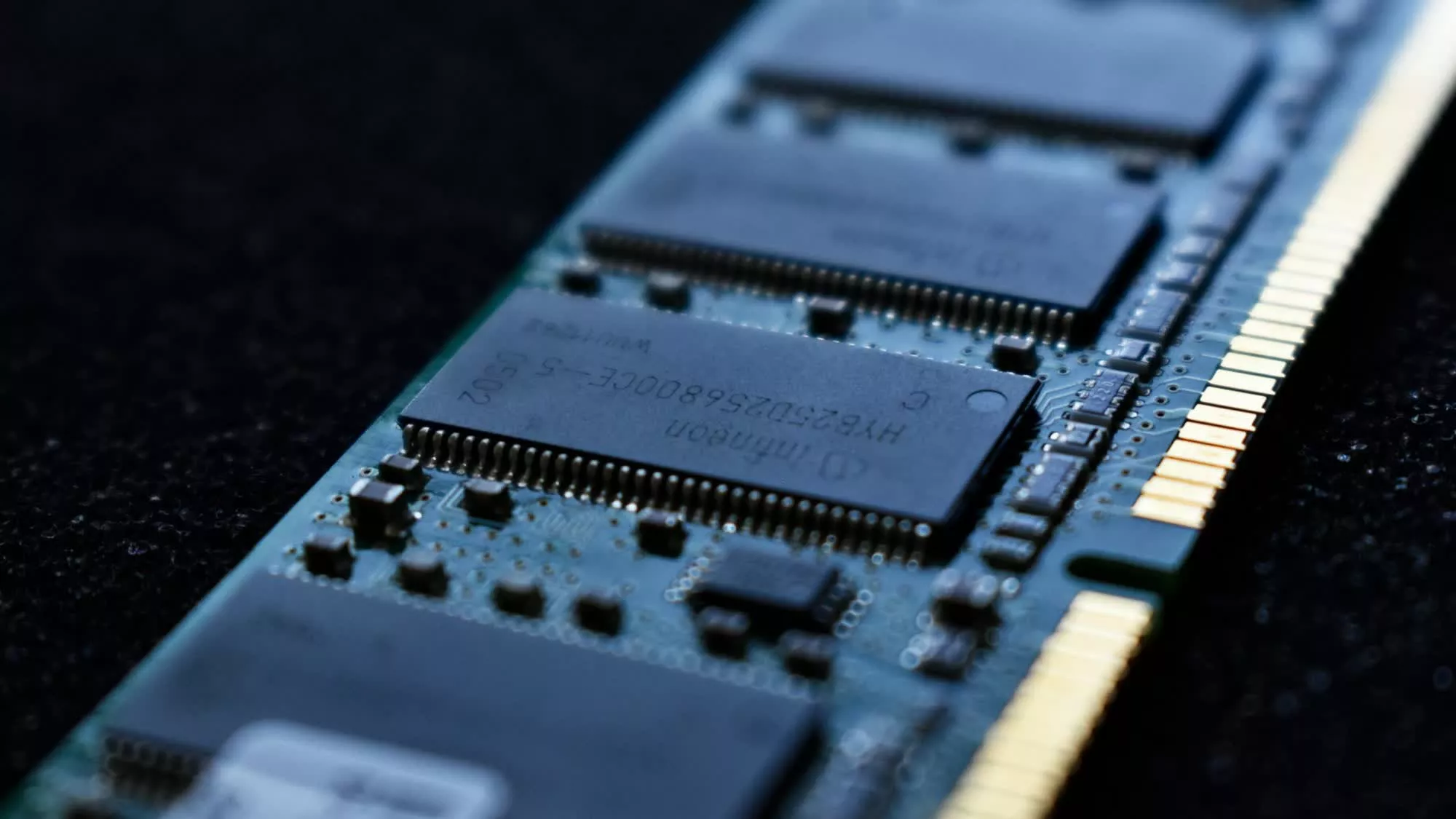
TrendForce reports that DRAM and NAND costs will continue increasing in the second quarter of 2026 as demand from AI data centers remains strong. Meanwhile, sources from the tech industry supply chain have informed Nikkei Asia that shortages of basic materials will raise the prices of printed circuit boards and other components.
As DRAM manufacturers continue diverting production capacity to server and high-bandwidth applications, contract prices are anticipated to rise by 58% to 63% in Q2 compared to the previous quarter. Demand from data centers is also expected to increase NAND flash prices by between 70% and 75% during the same period.

Due to the shortages, price hikes for laptops and gaming devices are expected to continue, although the impact on smartphones will be somewhat less severe. Solid-state drive supply is also expected to tighten this year and is unlikely to improve before late 2027 or 2028.
The ongoing war between the US and Iran is also expected to add to the upward pressure on technology prices. The conflict has significantly slowed shipping lanes, increasing the cost of not only oil but also many other raw materials and lesser-known components vital to everyday products.
For example, shortages of external modulation lasers and continuous-wave lasers might increase the prices of transceivers and certain kinds of PCBs. Broadcom stated that lead times for PCBs have extended from six weeks to six months. Rising transportation costs have also filtered down to the cost of silver, copper, and plastic, which might even make packaging more expensive. Eternal Materials COO Henry Chen warned that if the war lasts much longer, basic products such as bottles, plastic bags, and gloves might face shortages.
This follows prior reports that the AI boom is also diverting manufacturing capacity for CPUs. Intel and AMD confirmed in early March that they are facing supply chain issues, which could result in price hikes of between 10% and 15% from OEM PC manufacturers such as Dell and HP.